Fungal-acne-safe Korean skincare
Fungal acne — properly, malassezia folliculitis — isn't acne at all: it's an overgrowth of a skin yeast that feeds on certain oils and fatty acids, showing up as itchy, uniform little bumps on the forehead, hairline, chest and back. The first move is to stop feeding it — though an active flare usually also needs an antifungal from a doctor. These 41 products in our catalog are screened to avoid the ingredients malassezia is known to eat.
Top fungal-acne-safe picks
Across every step, ranked by evidence grade, rating consistency and Korean market signal.


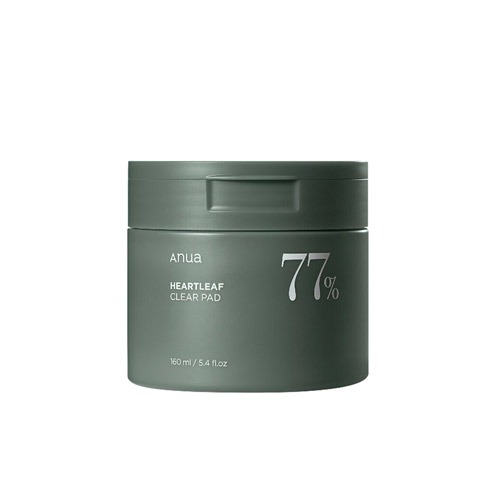


By routine step
Steps with enough screened options get a dedicated ranked page.
Also fungal-acne-safe: 10 in other steps ↓
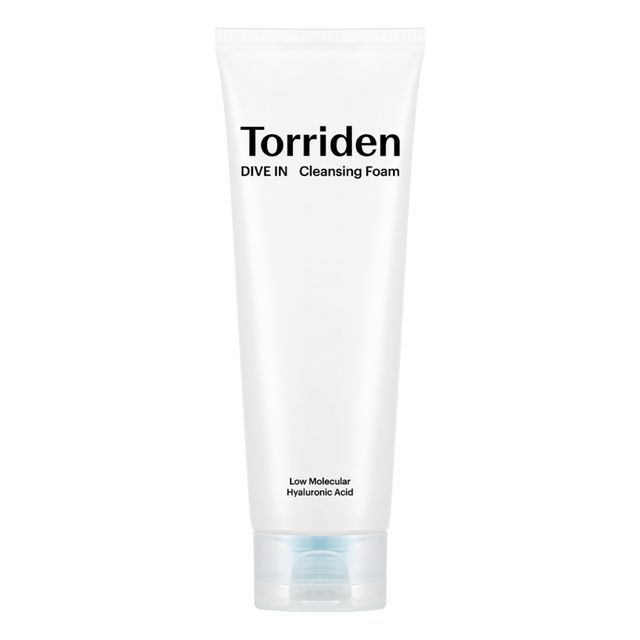
Cleanser (2)
Moisturizer (3)

Mask (2)


Fungal-acne flags are ingredient-screening seed data pending human verification, not medical advice. Malassezia folliculitis is a clinical diagnosis — see a dermatologist if bumps are persistent, itchy or spreading. mallang doesn't sell anything; rankings are never paid placements.