Ingredient guide
PHA (gluconolactone)
Evidence: Moderate
The gentlest exfoliating acid family — larger molecules, slower penetration, humectant bonus. Best first acid for sensitive skin.
In depth — how it works, who it's for, how to layer
PHAs, or polyhydroxy acids, are the gentlest members of the exfoliating-acid family, chiefly gluconolactone and lactobionic acid. Their molecules are larger than those of AHAs, so they penetrate more slowly and work mainly at the surface, and they carry a bonus humectant, water-attracting quality plus mild antioxidant and chelating activity.
The evidence is moderate. PHAs are documented to exfoliate and smooth with markedly less irritation than glycolic or salicylic acid, and lactobionic acid has some antioxidant support. They are effective but gentle, better framed as a comfortable maintenance exfoliant than a heavy-duty resurfacer.
They are best for sensitive, reactive, rosacea-prone or barrier-compromised skin that cannot tolerate stronger acids, and for anyone wanting a mild first step into chemical exfoliation. They map to texture, sensitivity and dullness concerns.
Layering is easy. Because they are gentle and hydrating, PHAs cause fewer conflicts and pair well with niacinamide, hyaluronic acid, panthenol and ceramides. Sensitive users can often use them more frequently than stronger acids, though it is still wise to avoid stacking them with retinoids or other exfoliants in the same session. Daily SPF remains a good habit with any exfoliation.
On safety, PHAs are among the best-tolerated acids, typically fragrance-free and low-stinging, and they do not feed Malassezia, so they suit fungal-acne-prone routines. They are generally considered acceptable during pregnancy given their gentle profile, but as with any new active, confirm with your clinician if you are pregnant or breastfeeding.
Products with pha (gluconolactone) (18)
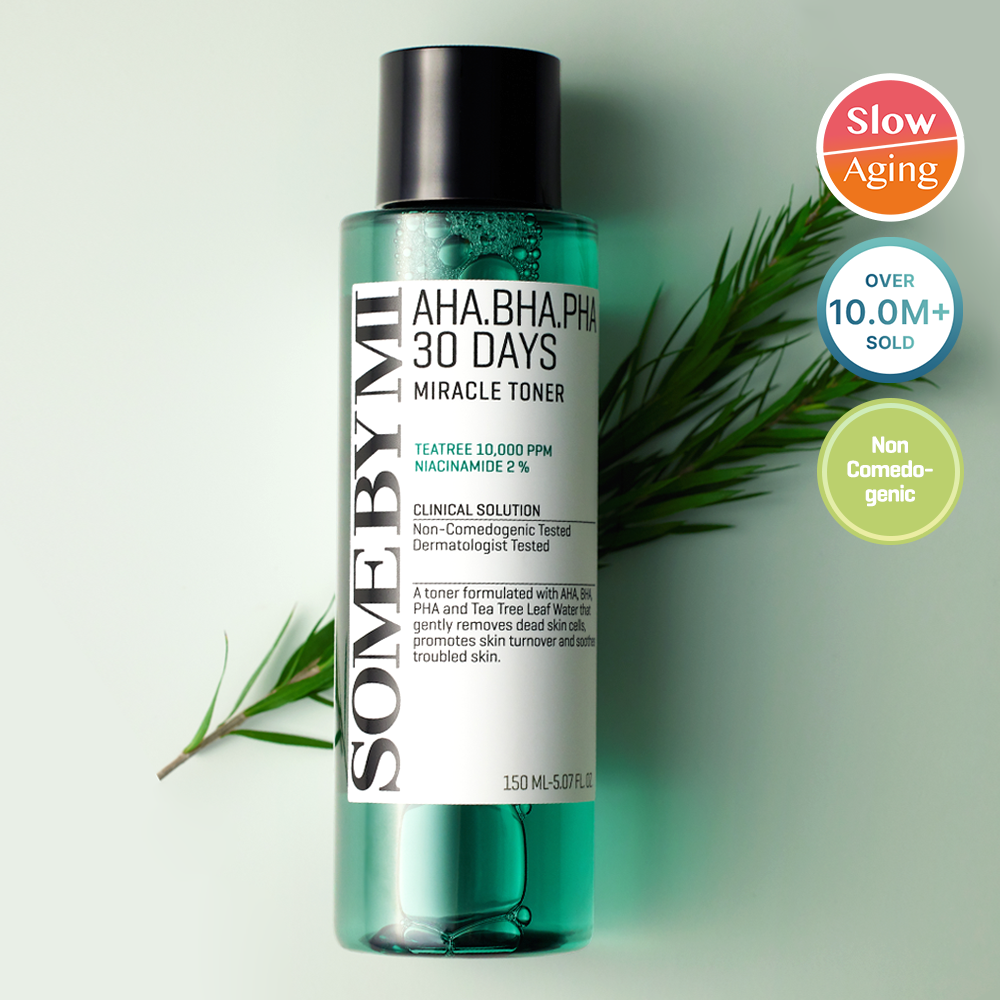
Some By Mi — AHA-BHA-PHA 30 Days Miracle Toner$20 · KR #12 · ★4.4

HANSKIN — Pore Cleansing Oil PHA$26 · KR #16 · ★4.5
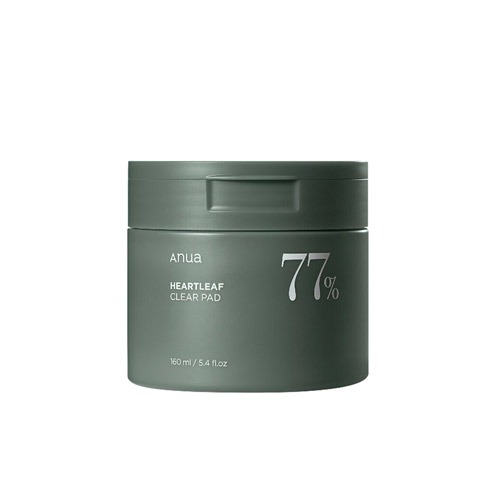
Anua — Heartleaf 77% Clear Pad$27 · KR #3 · ★4.6
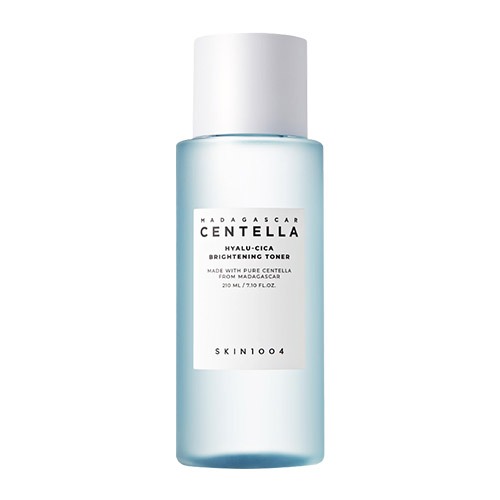
SKIN1004 — Madagascar Centella Toning Toner$17 · KR #8 · ★4.6
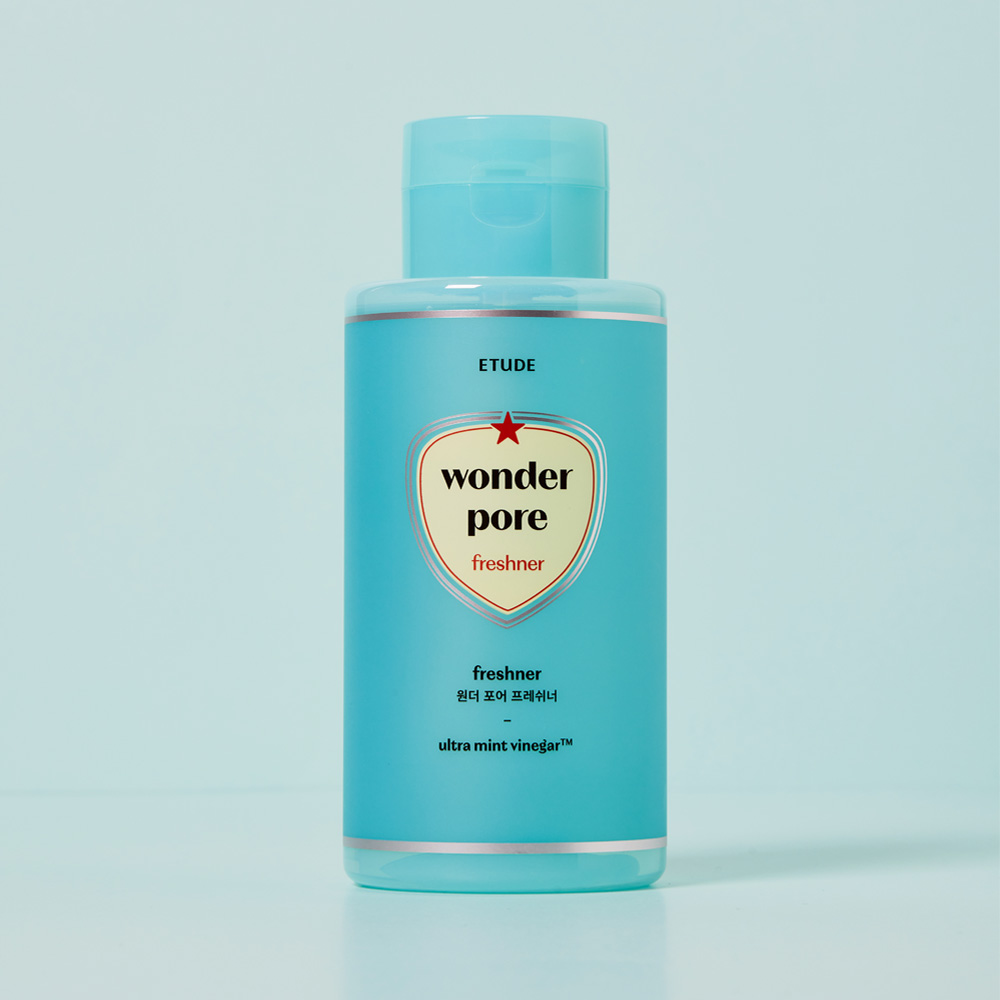
Etude — Wonder Pore Freshner$18 · KR #33 · ★4.3

Medicube — Kojic Acid Turmeric Pad$25 · KR #4 · ★4.4

Sungboon Editor — Green Tomato Pore Lifting Ampoule$27 · KR #2 · ★4.4
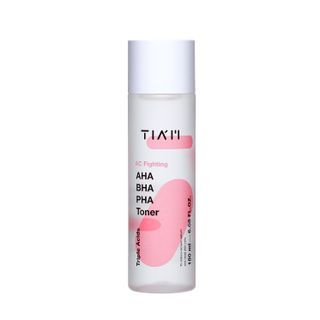
TIA'M — AC Fighting AHA BHA PHA Toner$17 · ★4.4

Some By Mi — AHA BHA PHA 30 Days Miracle Cleansing Bar$12 · ★4.4

NEOGEN — Lemon Bright PHA Gauze Peeling$28 · ★5
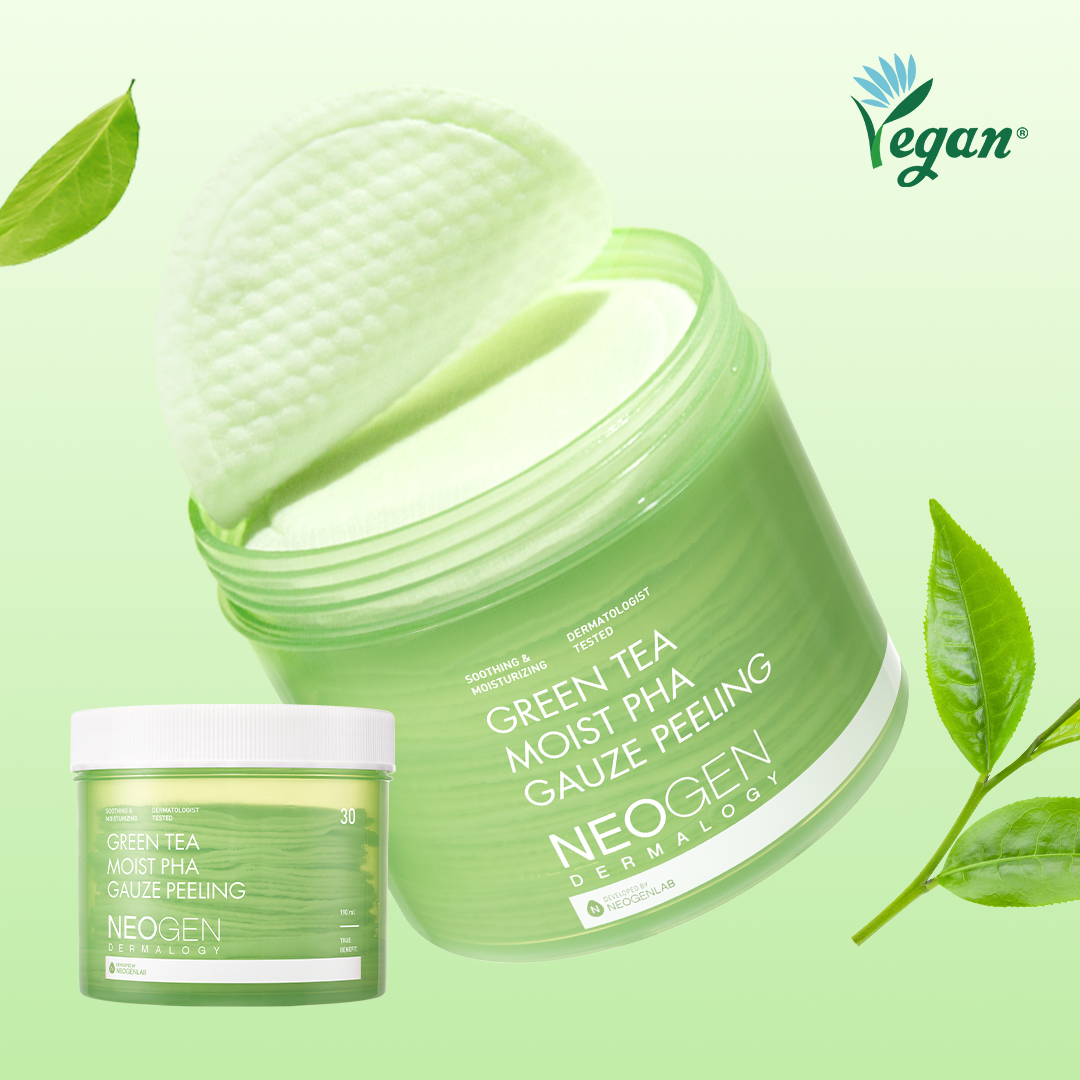
NEOGEN — Dermalogy Green Tea Moist PHA Gauze Peeling$28 · ★5

Some By Mi — AHA-BHA-PHA 30Days Miracle Toner$22.44 · ★4.4

COSRX — Low pH Good Night Soft Peeling Gel$16 · ★4.7

Then I Met You — Birch Milk Refining Toner$35 · ★4.5
![HANSKIN Pore Cleansing Balm [PHA]](https://cdn.shopify.com/s/files/1/0249/1218/files/Hanskin-Revamped-Pore-Cleansing-Balm-PHA.jpg?v=1756219146)
HANSKIN — Pore Cleansing Balm [PHA]$22 · ★4.5

NEOGEN — Dermalogy Real Cica Pad$20 · ★4.9

Some By Mi — AHA-BHA-PHA 30 Days Miracle Cream$27.12 · ★4.8

Some By Mi — AHA-BHA-PHA 30 Days Miracle Truecica Clear Pad$24.31 · ★5