Ingredient guide
Retinol
Evidence: Strong
The reference anti-aging active: decades of data on lines, texture and tone. Slower but better tolerated than retinal.
In depth — how it works, who it's for, how to layer
Retinol is the alcohol form of vitamin A and the reference nonprescription retinoid. Your skin converts it in two steps to retinoic acid, the form that drives its effects, which makes retinol slower to act than retinal or tretinoin but often better tolerated, a good entry point into vitamin A.
The evidence is strong and among the deepest in all of skincare. Well-designed studies support retinol for softening fine lines and wrinkles, improving texture and tone, and refining the look of pores, by increasing cell turnover and supporting collagen. Results build over months rather than days, and consistency is what delivers them.
It is best for people addressing aging, texture and oil or congestion who want a proven active with a gentle on-ramp. It suits most skin types when introduced carefully and maps to aging, texture and pore and oil concerns.
Layering follows the retinoid rules. Start about twice a week and build up, and support the barrier with ceramides, niacinamide, panthenol and hyaluronic acid. Avoid combining it in the same session with strong acids or benzoyl peroxide until your skin is acclimated, and alternate nights instead to limit irritation. Daily broad-spectrum SPF is non-negotiable because vitamin A increases photosensitivity.
On safety, dryness, redness and flaking are common early and ease with buffering and lower frequency. Retinol is not recommended during pregnancy or breastfeeding, so avoid it then and consider a gentler alternative. It does not feed Malassezia, though pick lighter vehicles if you are fungal-acne-prone. Patch test and confirm with your clinician if unsure.
⚠ Not during pregnancy; introduce 2×/week; SPF is mandatory
Products with retinol (22)

IOPE — Retinol Expert 0.1%$42 · KR #8 · ★4.5

COSRX — The Retinol 0.1 Cream$22 · KR #15 · ★4.4

Isntree — Hyper Retinol EX 1.0$28 · KR #16 · ★4.4

Some By Mi — Retinol Intense Reactivating Serum$25 · KR #21 · ★4.4

Innisfree — Retinol Cica Repair Ampoule$32 · KR #25 · ★4.4
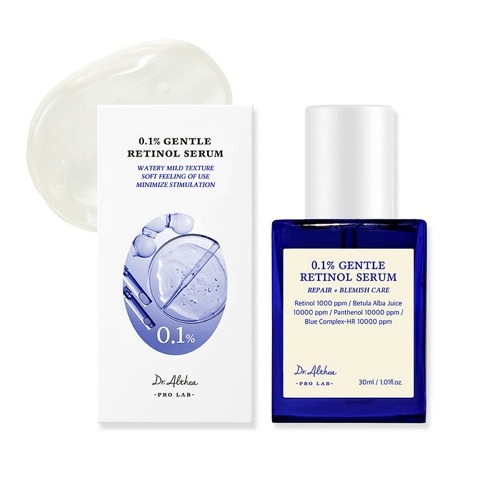
Dr. Althea — 0.1% Gentle Retinol Serum$22 · ★4.5

TIA'M — Vita A Anti-Wrinkle Moisturizer$20 · ★4.4
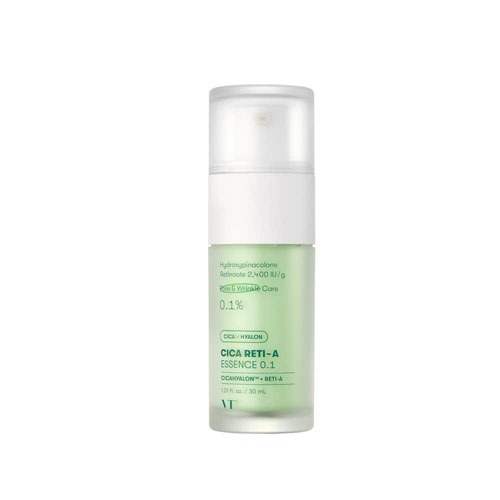
VT Cosmetics — Cica Reti-A Essence 0.1$19 · ★4.5

Goodal — Black Carrot Vita A Retinol Cream$26 · ★4.4

Sungboon Editor — Deep Collagen Retinol Power Boosting Pad$24 · ★4.5

Sungboon Editor — Deep Collagen Retinol Boost Up Beauty Mask$13 · ★4.5
Goodal — Black Carrot Vita A Retinol Ampoule$25 · ★4.4

Some By Mi — Retinol Intense Advanced Triple Action Eye Cream$24.31 · ★4.9

IOPE — Expert Retinol Super Bounce Serum$49 · ★4.5

Some By Mi — Retinol Intense Reactivating Mask$2.81 · ★4.4

Tony Moly — Plump-Kin Retinol Eye Cream$25 · ★4.4

CKD Guaranteed — Retino Collagen Small Molecule 300 Pore & Elasticity Mask$5 · ★4.4

HANSKIN — Vitamin A Glow Retinol Cream$33 · ★4.4

NEOGEN — Dermalogy Real Retinol Serum$38 · ★4.4

IOPE — Retinol Expert 0.3%$120 · ★4.5

Celimax — The Vita A Retinol Shot Tightening Serum$27 · ★4.9
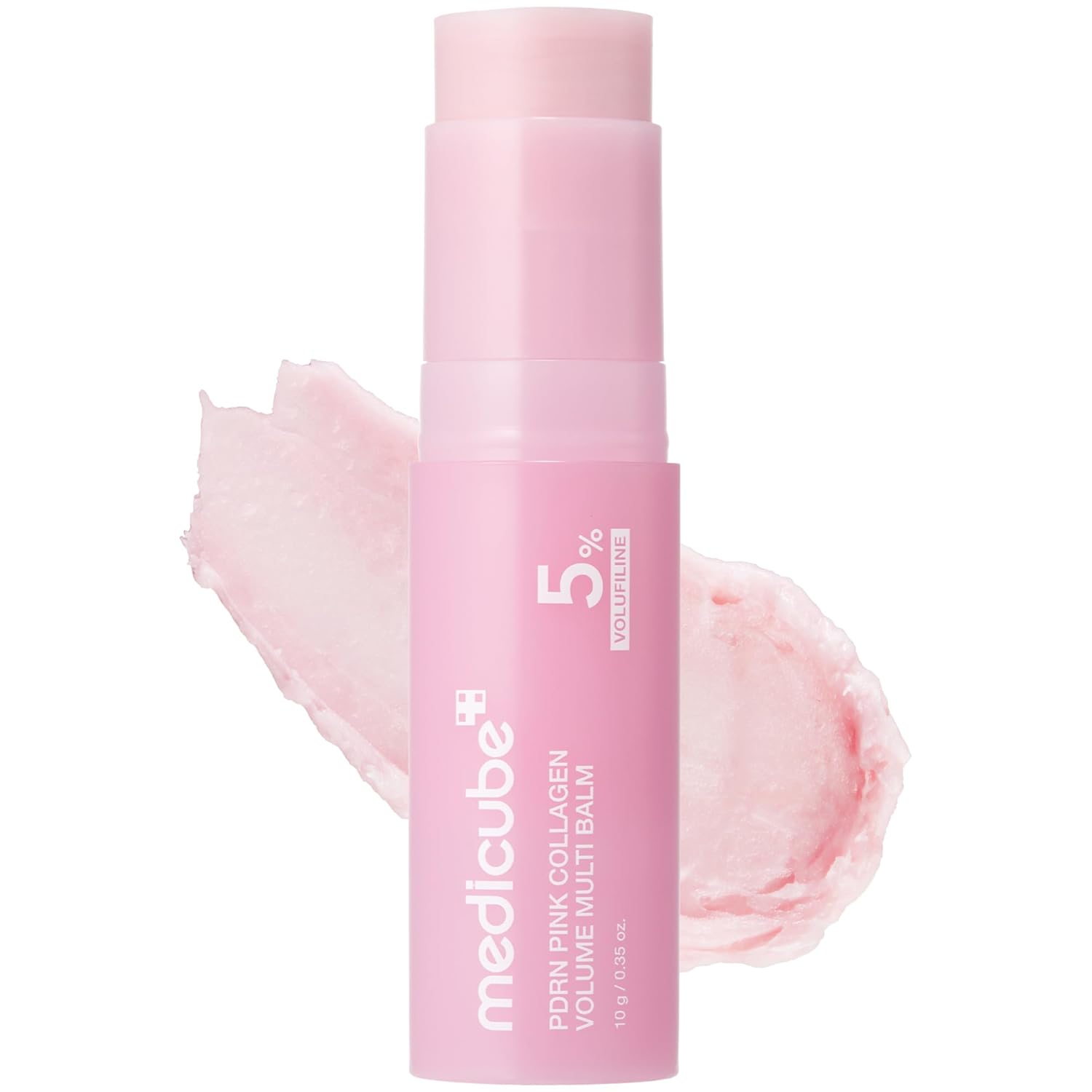
Medicube — PDRN Pink Collagen Volume Multi Balm Stick$24 · ★4