Ingredient guide
Shea butter
Evidence: Strong
Rich occlusive-emollient for genuinely dry, cracked skin.
In depth — how it works, who it's for, how to layer
Shea butter is a rich plant fat pressed from the nuts of the African shea tree (Vitellaria paradoxa). It combines fatty acids with a notable share of unsaponifiable compounds, which gives it strong emollient and occlusive qualities, sealing the skin and softening rough, dry areas.
The evidence is strong for its core function. Shea butter is well documented as an effective moisturizer that reduces water loss and soothes dry, cracked and eczema-prone skin, and its emollient-occlusive character makes it a dependable barrier support. Claims beyond moisturizing and comfort are less established, so it is best valued as an excellent rich moisturizer rather than an active treatment.
It is best for genuinely dry, cracked, rough or eczema-prone skin and body areas, and for cold, harsh conditions where skin needs sealing. It maps to dryness and eczema-prone concerns.
Layering is simple. Shea butter works as a rich final step to lock in lighter hydrators like hyaluronic acid and glycerin, and pairs well with ceramides and squalane. There are no chemical conflicts, but its richness is the practical consideration.
On safety, shea butter is generally well tolerated and low-allergen even for many with tree-nut concerns, though caution and patch testing are still sensible. The main cautions are practical: it is often too heavy for oily and acne-prone T-zones and can feel occlusive, and because it is fatty-acid-rich it may act as a Malassezia food source, so fungal-acne-prone users should be cautious. It is considered safe during pregnancy and breastfeeding. Confirm new products with your clinician if you have specific concerns.
⚠ Too heavy for acne-prone T-zones
Products with shea butter (10)
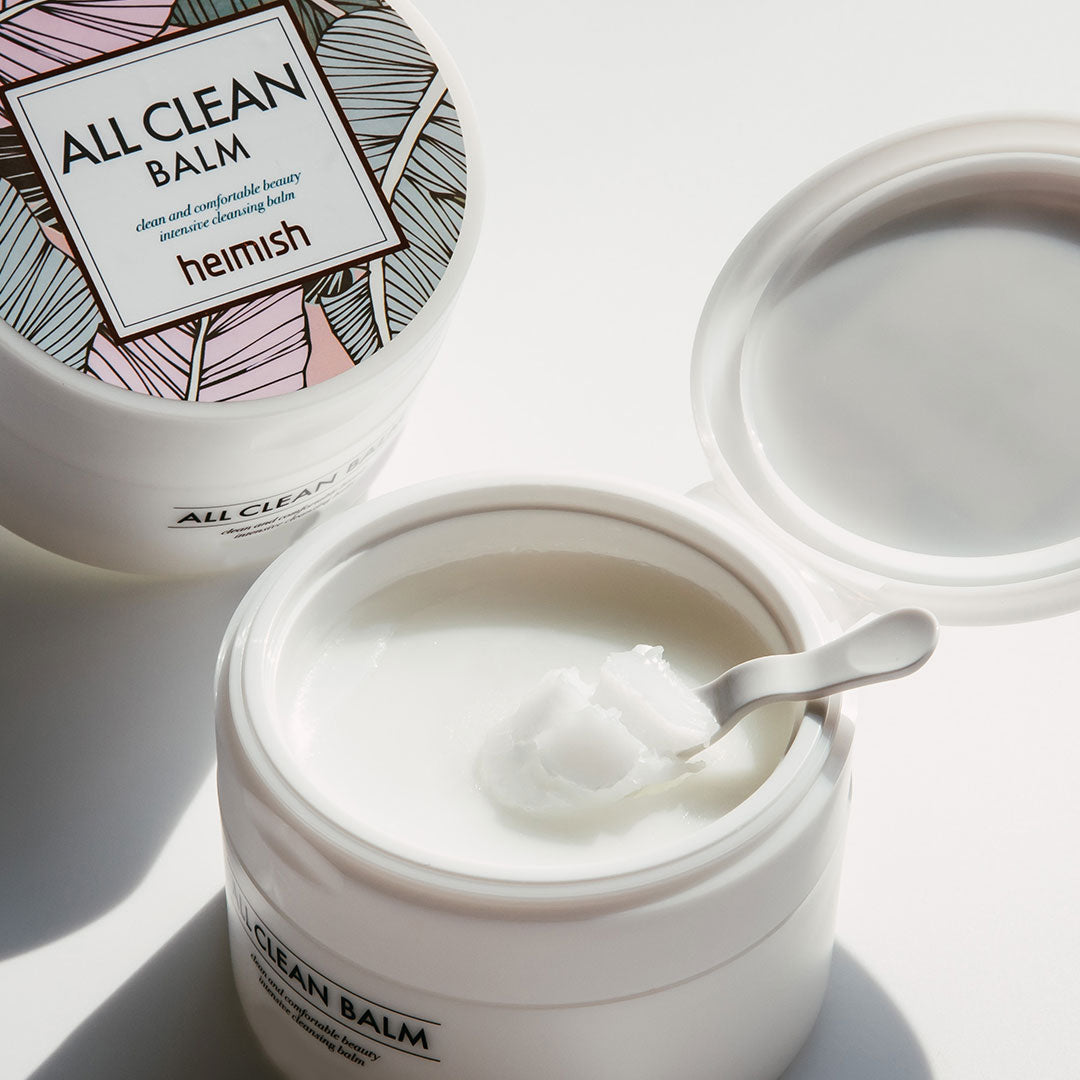
Heimish — All Clean Balm$19 · KR #2 · ★4.6

belif — The True Cream Moisturizing Bomb$38 · KR #28 · ★4.5
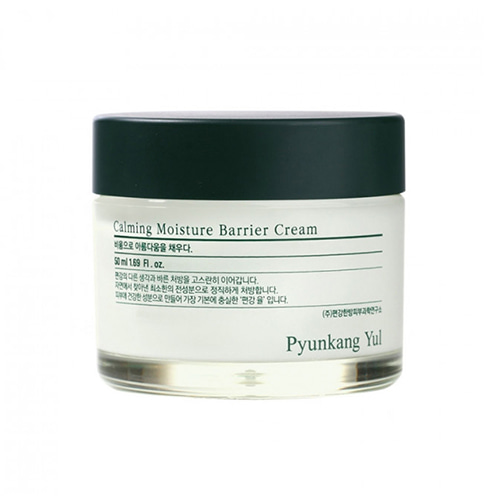
Pyunkang Yul — Moisture Cream$23 · KR #35 · ★4.5
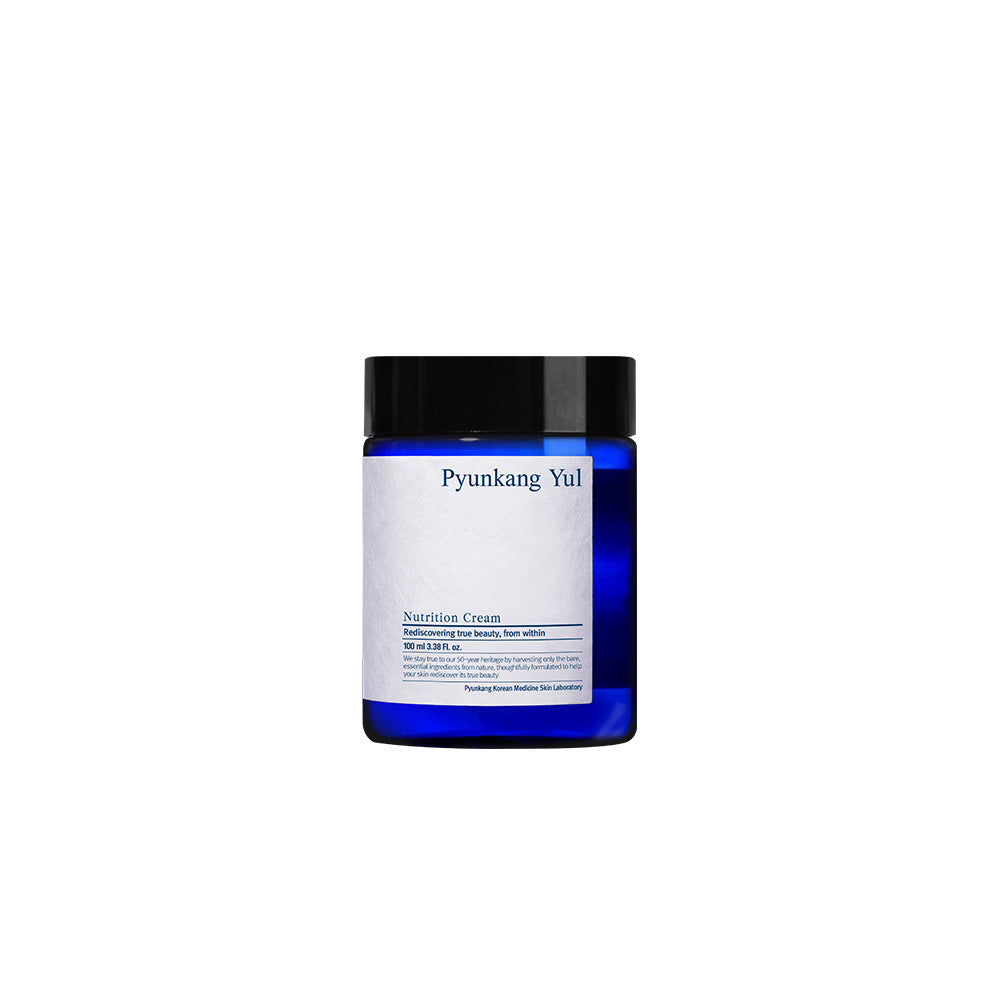
Pyunkang Yul — Nutrition Cream$28 · KR #44 · ★4.5
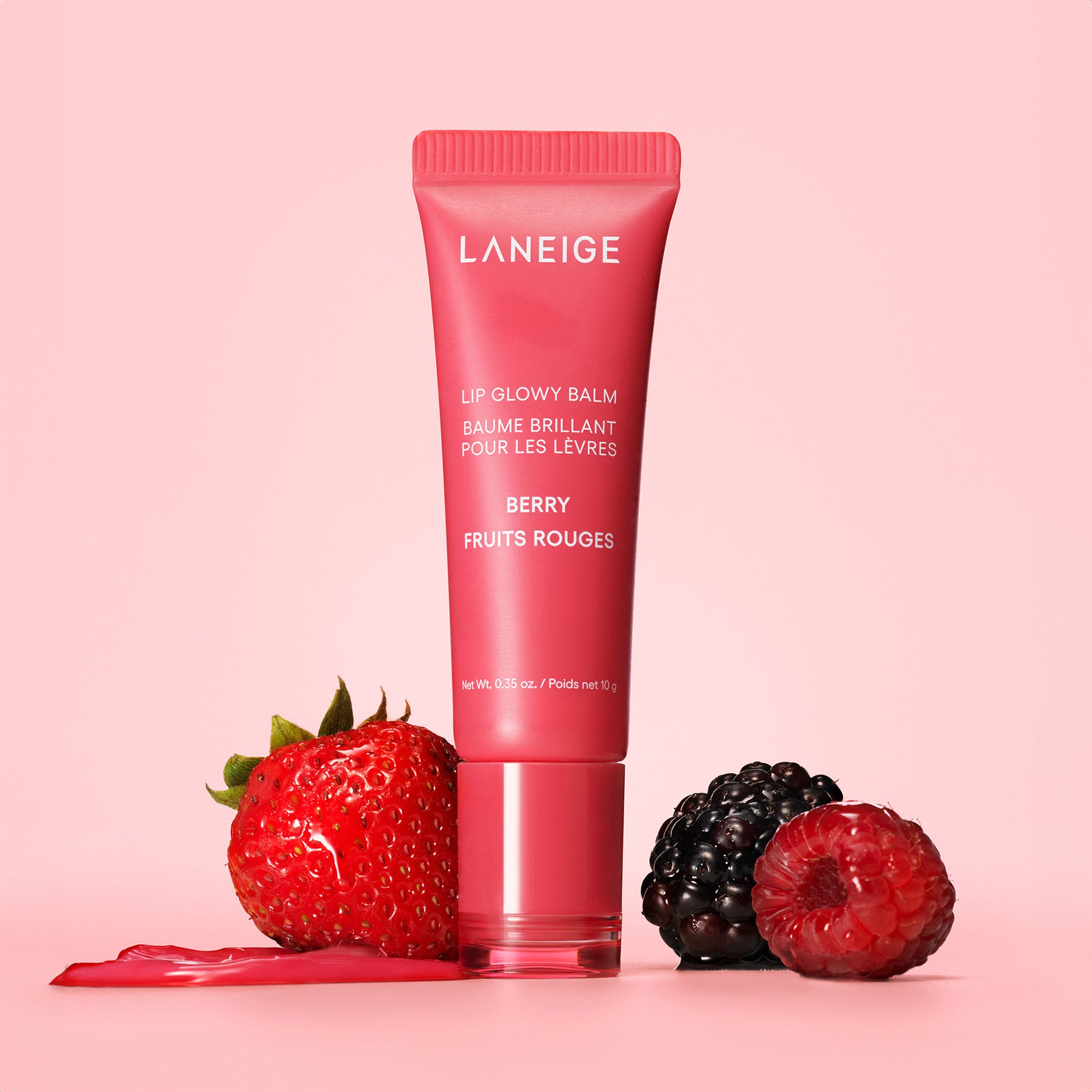
Laneige — Lip Glowy Balm Berry$18 · KR #6 · ★4.5

Klairs — Rich Moist Soothing Cream$26 · ★4.5

Knours — Moisturizing Shea Butter + Sweet Almond Oil Youth Cream$38 · ★4.3

SIORIS — Deep In A Barrier Cream$34 · ★4.5

Etude — Ginger Sugar Overnight Lip Mask$11.1 · ★4.5

SIORIS — Enriched By Nature Cream$18 · ★4.4