Ingredient guide
PDRN (salmon DNA)
Evidence: Emerging
Korea's 2026 ingredient of the year. Topical evidence is emerging: hydration & glow data are solid, deeper 'regeneration' claims are early.
In depth — how it works, who it's for, how to layer
PDRN stands for polydeoxyribonucleotide, a mixture of DNA fragments most often sourced from salmon or trout milt (sperm) that is purified into short nucleotide chains. It became one of Korea's most talked-about ingredients in 2025 to 2026, largely on the back of its use in aesthetic clinics.
Honesty matters here: the strongest PDRN evidence comes from injectable and medical settings, where it is studied for wound healing and tissue repair, partly through activation of adenosine A2A receptors. For topical cosmetics the evidence is genuinely emerging. PDRN is a large molecule with real questions about how much penetrates intact skin, and the well-supported topical benefits are hydration, comfort and a temporary glow rather than the deeper regeneration that marketing implies. Treat it as a promising but early ingredient and judge products by the whole formula.
It is best for people focused on dullness, dehydration and early aging who want a well-formulated hydrating serum, and who understand they are buying a trend ingredient with modest topical proof.
Layering is uncomplicated. PDRN serums sit in the hydrating steps and pair well with hyaluronic acid, panthenol, Centella and peptides. There are no established conflicts, so it can accompany most routines.
On safety, purified PDRN is generally well tolerated and often fragrance-free. The main caution is fish or seafood allergy, given the marine origin. It is not a known Malassezia feeder. No specific pregnancy data exist for topical PDRN, so the responsible position is to avoid unproven trend actives if you prefer caution and to confirm with your clinician.
⚠ Marketing runs ahead of topical science — judge by full formula
Products with pdrn (salmon dna) (23)

Medicube — PDRN Pink Peptide Serum$29 · KR #1 · ★4.5

VT Cosmetics — Reedle Shot 100$25 · KR #1 · ★4.4

Anua — PDRN Hyaluronic Acid Capsule 100 Serum$28 · KR #2 · ★4.5

Medicube — PDRN Pink Collagen Capsule Cream$27 · KR #8 · ★4.4
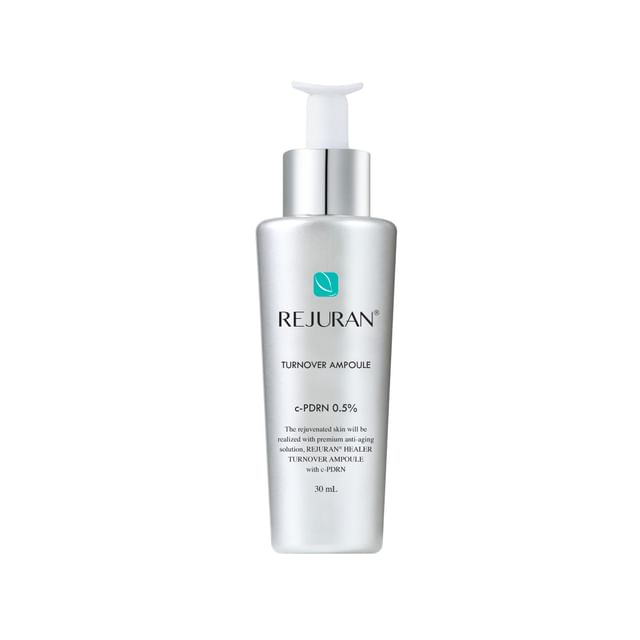
Rejuran — Turnover Ampoule$48 · KR #6 · ★4.5

Medicube — PDRN Pink Peptide Eye Patch$22 · KR #4 · ★4.3

VT Cosmetics — Reedle Shot 300$28 · KR #3 · ★4.4

Dr. Melaxin — Peel Shot Ampoule$30 · KR #4 · ★4.3

Anua — PDRN 100 Hyaluronic Acid Glow Pad$26 · ★4.6

Medicube — PDRN Pink Cica Soothing Toner$25 · ★4.5
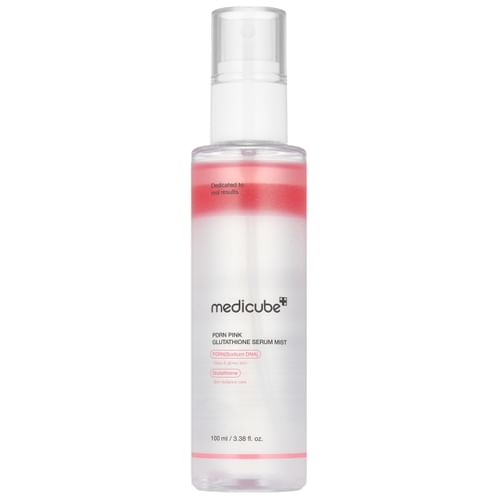
Medicube — PDRN Pink Glutathione Serum Mist$26 · ★4.5

Genabelle — PDRN Rejuvenating Cream$32.94 · ★4.9

Genabelle — PDRN Rejuvenating Toner$28.24 · ★5

Abib — PDRN Collagen Lip Mask Glazed Jelly$20 · ★4.5

Biodance — Rejuvenating Caviar PDRN Real Deep Mask$19 · ★4.6

IOPE — PDRN Caffeine Shot Serum$43 · ★4.6

IOPE — XMD Stem III Clinical Recovery Serum$82 · ★4.4

Klairs — Freshly Juiced Vitamin Essence Toner$19.9 · ★4.4

VT Cosmetics — PDRN Cream 100$26 · ★4.5

VT Cosmetics — PDRN Essence 100$28 · ★4.4

Knours — PDRN Rice & Green Tea Revitalizing Serum$26 · ★4.3

Anua — PDRN Hyaluronic Acid Hydrating Capsule Mist$25 · ★4.6
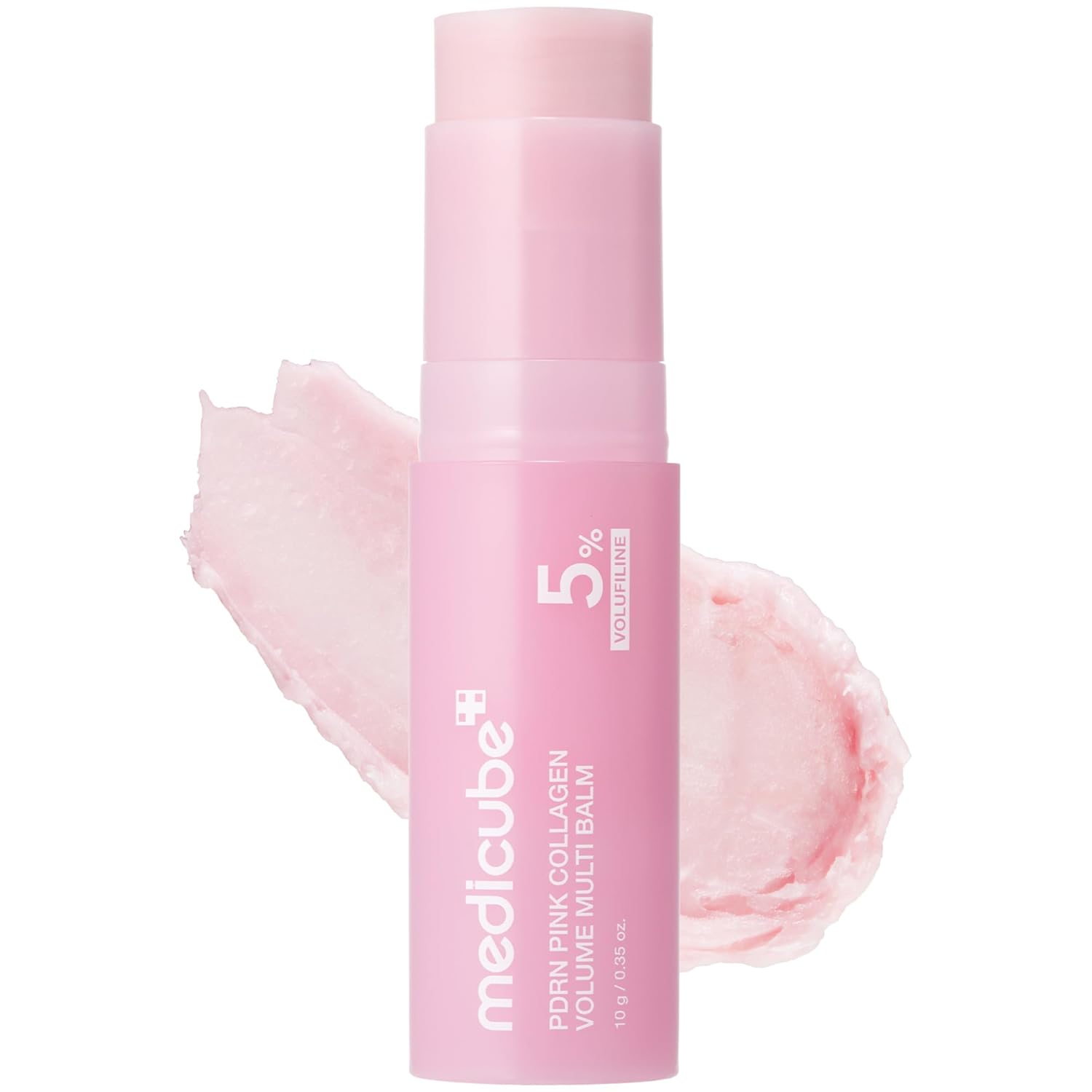
Medicube — PDRN Pink Collagen Volume Multi Balm Stick$24 · ★4