Ingredient guide
Mugwort
Evidence: Moderate
Calming hanbang herb for reactive, stressed skin.
In depth — how it works, who it's for, how to layer
Mugwort refers to Artemisia species (commonly Artemisia princeps or Artemisia vulgaris), a herb with deep roots in Korean traditional care, used in baths and remedies and now a familiar calming ingredient in K-beauty toners, essences and masks. Its cosmetic value comes from antioxidant and anti-inflammatory compounds including flavonoids and other polyphenols.
The evidence is moderate and largely preclinical. Artemisia extracts show antioxidant and soothing activity in laboratory models, and the ingredient is well liked for calming reactive, stressed skin, but strong clinical proof of visible benefits in finished cosmetics is limited. It is reasonable to treat mugwort as a gentle soothing botanical whose effect owes much to a comforting, hydrating base plus mild antioxidant support.
It is best for sensitive, easily irritated and redness-prone skin, and for people who want a low-stimulation calming step. It maps to redness and rosacea-prone concerns and to general sensitivity.
Layering is straightforward. Mugwort products sit early in the routine and pair well with Centella, heartleaf, panthenol and hyaluronic acid, and can buffer the feel of actives. There are no notable chemical conflicts.
On safety, mugwort is a recognized pollen and contact allergen for some people, particularly those with Asteraceae or ragweed sensitivities, so patch testing is genuinely worthwhile, and some formulas add fragrance. It is not a known Malassezia feeder. Regarding pregnancy, oral or medicinal mugwort is traditionally avoided, and while topical cosmetic exposure is different and low, the cautious course is to confirm any mugwort product with your clinician if you are pregnant.
Products with mugwort (18)

I'm From — Mugwort Essence$32 · KR #5 · ★4.5

I'm From — Mugwort Cream$32 · KR #31 · ★4.5

Hanyul — Pure Artemisia Watery Calming Toner$28 · KR #19 · ★4.6

I'm From — Mugwort Mask$30 · KR #21 · ★4.5
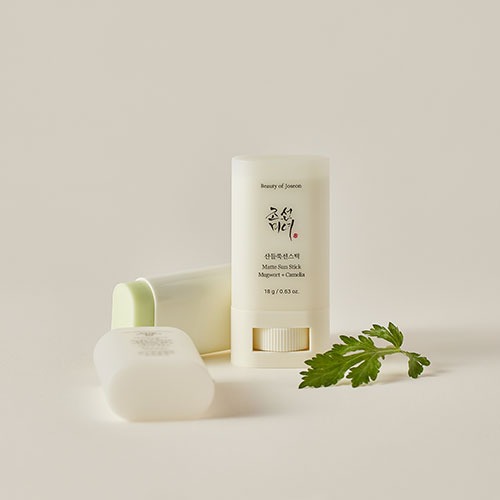
Beauty of Joseon — Matte Sun Stick: Mugwort + Camelia SPF50+$16 · KR #6 · ★4.5
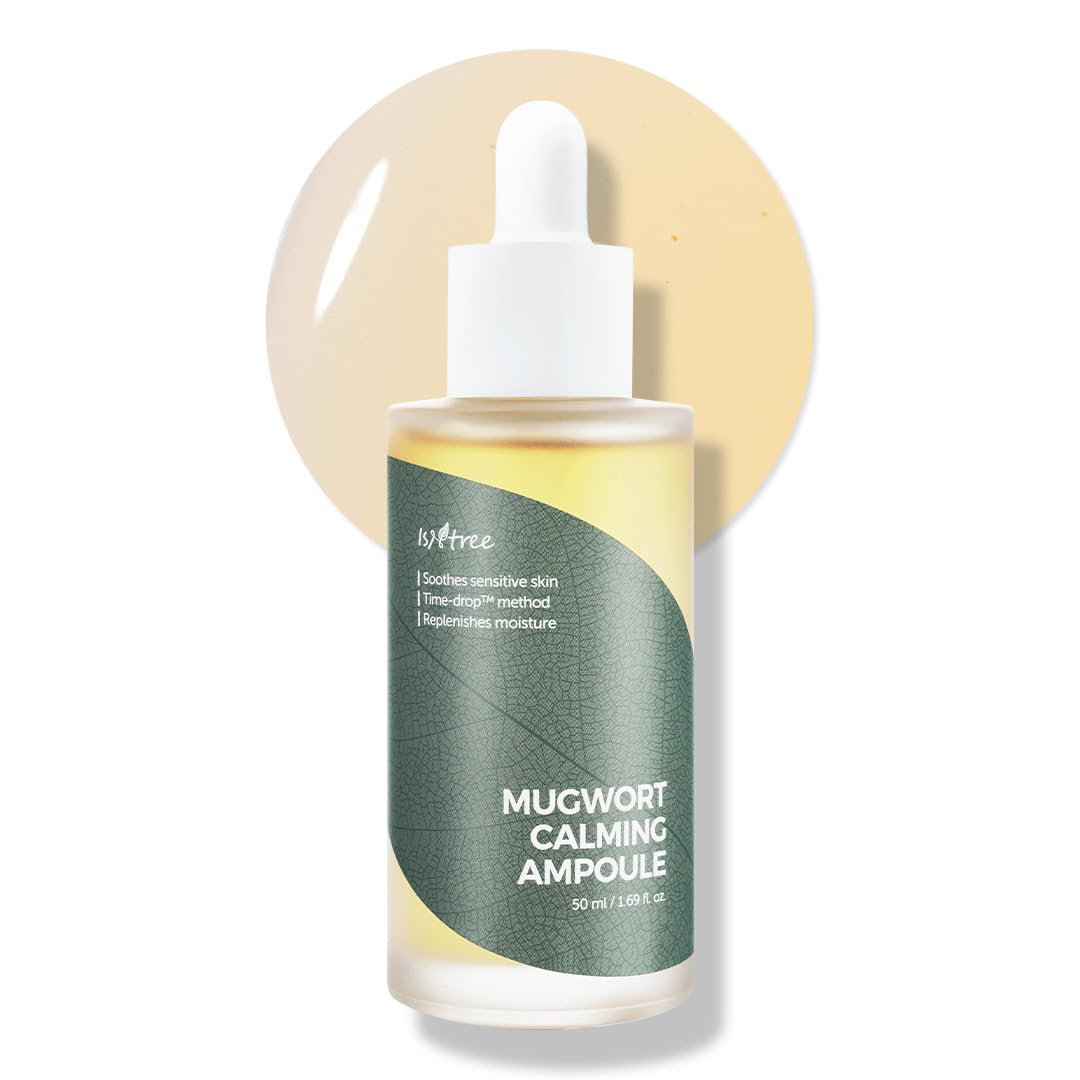
Isntree — Spot Saver Mugwort Ampoule$22 · KR #24 · ★4.5
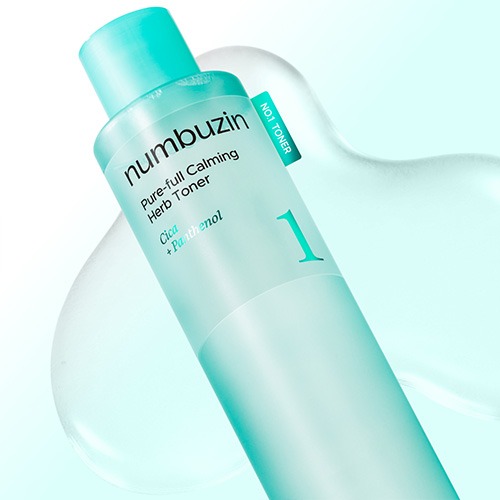
Numbuzin — No.1 Pure-Full Calming Herb Toner$21 · ★5

AXIS-Y — Mugwort Pore Clarifying Wash Off Pack$14 · ★5
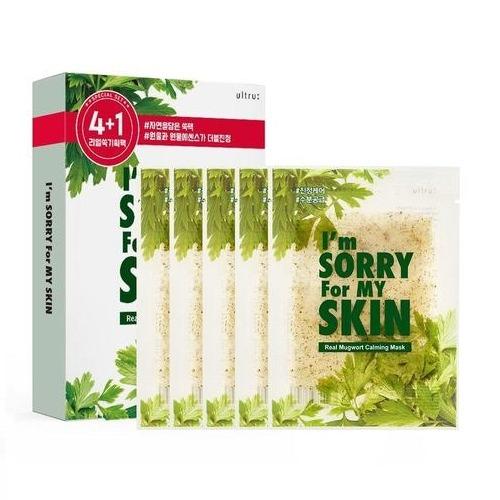
I'm Sorry For My Skin — Real Mugwort Calming Mask Sheet$3.5 · ★4.4
Hanyul — Artemisia Soothing Toner$30 · ★4.6

Hanyul — Artemisia Soothing Toner Pads$26 · ★4.5

Klairs — Fundamental Ampule Mist$27 · ★4.4

I'm From — Mugwort Gel Cleanser$18 · ★4.5

I'm From — Mugwort Serum$28 · ★4.5

I'm From — Mugwort Sheet Mask$3.5 · ★4.5

Round Lab — Mugwort Calming Sheet Mask$40 · ★4.5

Round Lab — Mugwort Calming Toner$27 · ★5

Hanyul — Artemisia Soothing Gel Cream$36 · ★4.4