Ingredient guide
Licorice root
Evidence: Moderate
Brightening + soothing botanical — a staple supporting player in dark-spot formulas.
In depth — how it works, who it's for, how to layer
Licorice root extract comes from Glycyrrhiza plants and is a well-liked dual-action botanical, brightening and soothing at once. Its key compounds include glabridin, which inhibits the pigment-forming enzyme tyrosinase, and liquiritin plus other flavonoids that help disperse pigment and calm inflammation.
The evidence is moderate. Licorice components have documented tyrosinase-inhibiting and anti-inflammatory activity, and there is supportive research for improving hyperpigmentation and redness, though it is most often used as a supporting player alongside other brighteners rather than a standalone corrector. It is a credible, gentle brightening and soothing ingredient with a reasonable, if not heavy, evidence base.
It is best for people with dark spots, uneven tone and redness, including sensitive skin that cannot tolerate stronger brighteners. It maps to dark-spot and redness or rosacea-prone concerns.
Layering is productive and easy. Licorice root pairs well with niacinamide, vitamin C, alpha-arbutin and tranexamic acid for multi-angle pigment support, and with soothing ingredients like Centella and panthenol. It has no notable conflicts and complements diligent sun protection, which is essential for any pigment goal.
On safety, licorice root extract is generally well tolerated and often gentle enough for reactive skin, though as a botanical it can occasionally sensitize, and some formulas add fragrance, so check the label. It is not a recognized Malassezia feeder. No specific pregnancy concerns are documented for topical licorice root extract, and its gentle brightening-soothing profile makes it a low-risk choice, but confirm new products with your clinician if you have specific concerns during pregnancy or breastfeeding.
Products with licorice root (17)

AXIS-Y — Dark Spot Correcting Glow Serum$20 · KR #11 · ★4.5
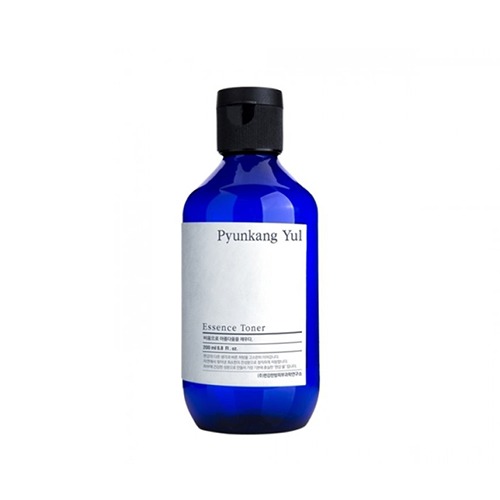
Pyunkang Yul — Essence Toner$20 · KR #15 · ★4.6
Pyunkang Yul — Low pH Pore Deep Cleansing Foam$15 · KR #13 · ★4.5

Son & Park — Beauty Water$30 · KR #31 · ★4.4
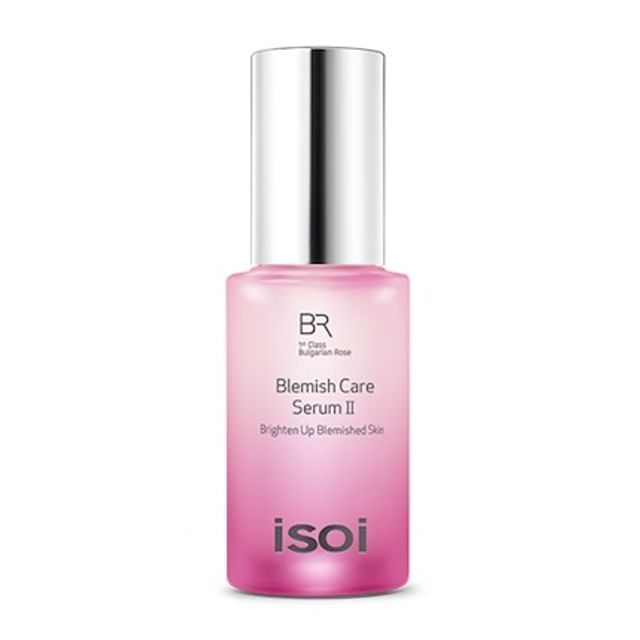
isoi — Bulgarian Rose Blemish Care Serum$38 · KR #15 · ★4.5

It's Skin — Power 10 Formula LI Jelly Pad$25 · ★4.7

Acwell — pH Balancing Bubble Free Cleansing Gel$18 · ★4.5

Acwell — Real Aqua Balancing Ampoule$7.8 · ★4.4

Acwell — Licorice pH Balancing Advance Serum$25 · ★4.6

Acwell — Licorice pH Balancing Cleansing Toner$18 · ★4.6

Acwell — Licorice pH Balancing Essence Mist$24 · ★4.5

Then I Met You — The Giving Essence$53 · ★4.6

Acwell — Licorice pH Balancing Intensive Eye Cream$30 · ★4.5

Klairs — Supple Preparation Facial Toner$21.99 · ★4.6

Acwell — Licorice pH Balancing Pore Cleansing Gel Foam$18 · ★4.5

Klairs — Supple Preparation Unscented Facial Toner$21.99 · ★4.6

Acwell — Licorice pH Balancing Toner Pad$24 · ★4.5