Ingredient guide
Honey / royal jelly
Evidence: Moderate
Humectant with mild antibacterial action and a glow finish — propolis's gentler sibling.
In depth — how it works, who it's for, how to layer
Honey and its relatives (royal jelly and manuka honey) are bee-derived ingredients used in skincare for their humectant, antibacterial and glow-giving qualities. Honey is a natural sugar-rich humectant with mild antibacterial activity, manuka honey adds a compound called methylglyoxal that boosts that activity, and royal jelly contributes proteins and lipids.
The evidence is moderate. Honey is documented as a humectant that draws and holds water, and medical-grade honey has genuine wound-care and antibacterial support, which lends plausibility to its use for soothing, blemish-prone and dull skin. Cosmetic honey products are less rigorously studied, so the sensible reading is a well-supported humectant with mild antibacterial and comforting benefits rather than a proven treatment.
It is best for dull, dry or blemish-prone skin wanting a hydrating, radiance-boosting step, and it is propolis's gentler sibling in the bee-product family. It maps to dullness and dryness concerns.
Layering is easy. Honey appears in masks, cleansers and serums and pairs well with panthenol, niacinamide, propolis and hyaluronic acid. There are no notable chemical conflicts, though sticky honey masks are usually rinse-off.
Safety centers on allergy: anyone with a bee-product allergy (honey, propolis, royal jelly) should avoid it, and everyone else should patch test, particularly with royal jelly, which is a more notable sensitizer. Because it is sugar- and sometimes lipid-rich, fungal-acne-prone users should scan the full formula. No specific pregnancy concerns are documented for topical honey, though avoid it on infants; confirm new products with your clinician if you have specific concerns.
⚠ Avoid with bee allergies
Products with honey / royal jelly (16)

COSRX — Full Fit Propolis Synergy Toner$22 · KR #13 · ★4.6
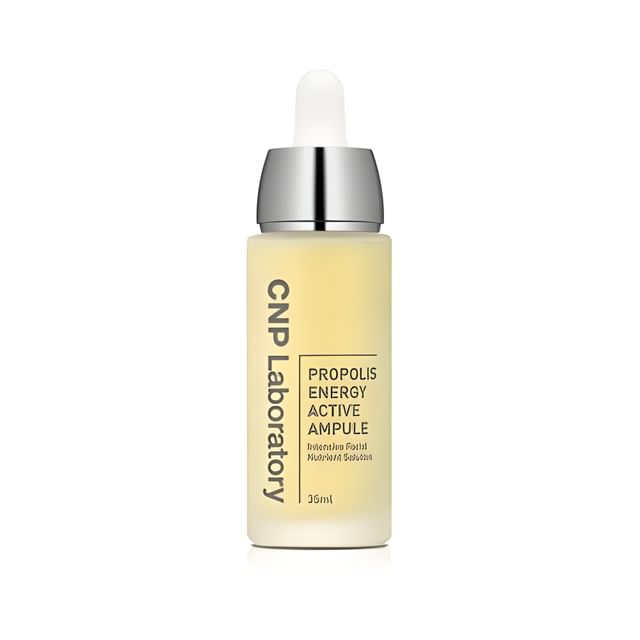
CNP Laboratoire — Propolis Energy Ampule$32 · KR #10 · ★4.6
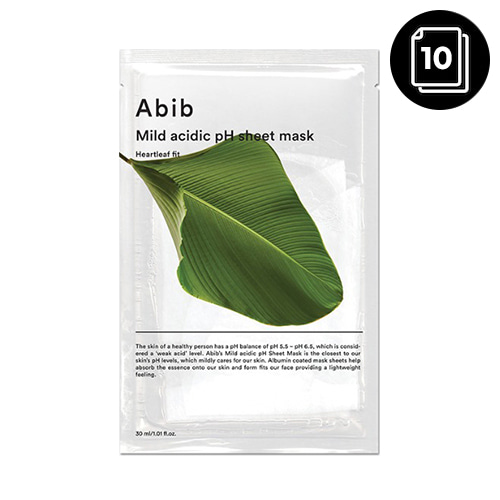
Abib — Mild Acidic pH Sheet Mask Honey Fit$20 · KR #12 · ★4.6

Papa Recipe — Bombee Honey Mask$22 · KR #16 · ★4.5
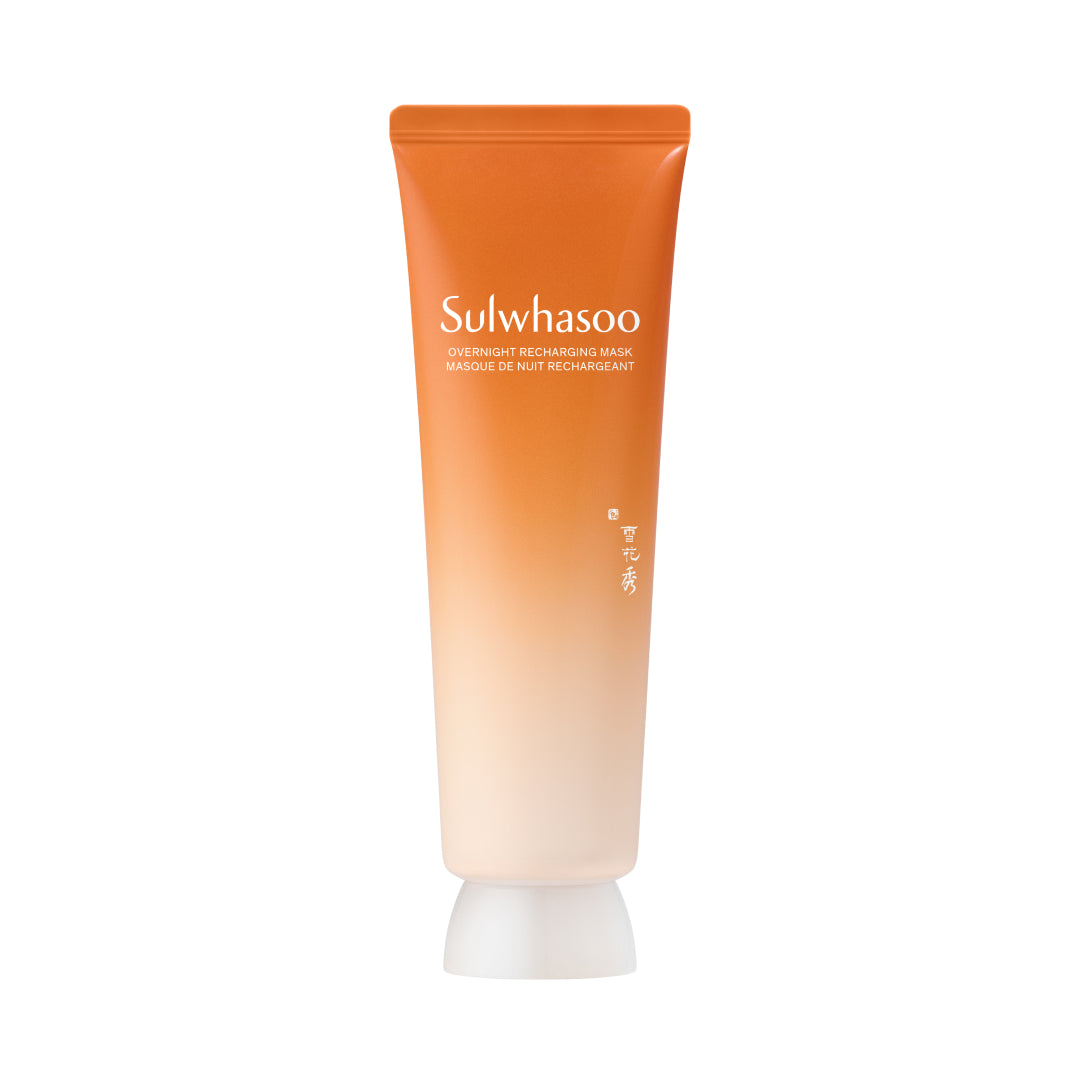
Sulwhasoo — Overnight Vitalizing Mask$52 · KR #33 · ★4.6

COSRX — Full Fit Propolis Light Ampoule$28 · KR #12 · ★4.6
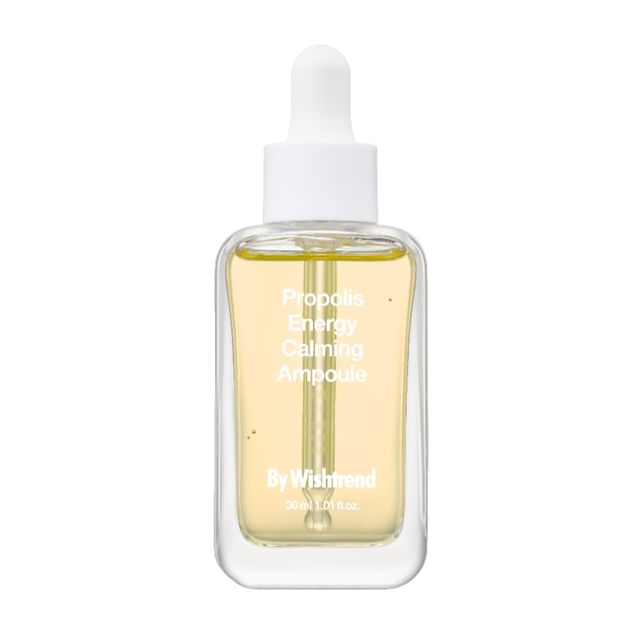
By Wishtrend — Propolis Energy Calming Ampoule$22 · KR #41 · ★4.5
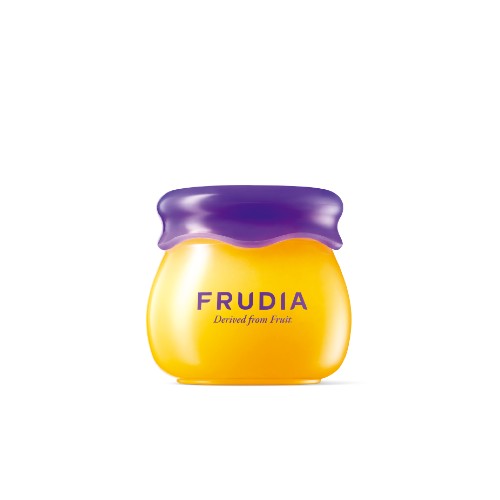
Frudia — Blueberry Hydrating Honey Lip Balm$9 · ★4.8
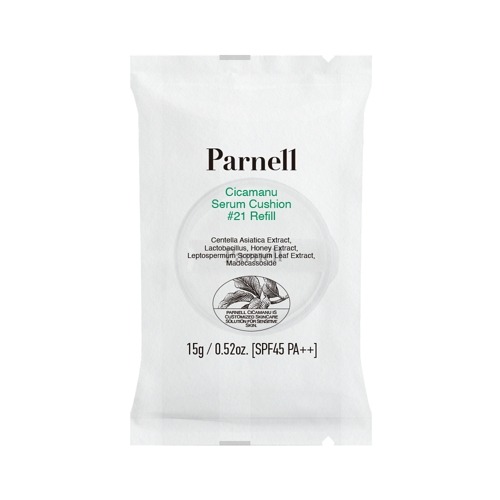
Parnell — Cicamanu Serum Cushion$18 · ★5

Mediheal — THE H.P.A Glowing Ampoule Mask$30 · ★5

Parnell — Cicamanu 92 Serum$32 · ★5
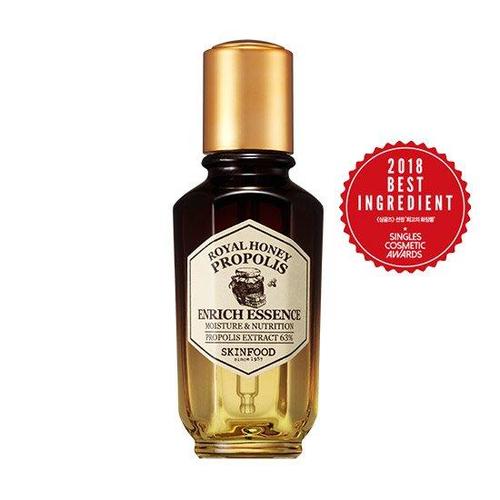
Skinfood — Royal Honey Propolis Enrich Essence$28 · ★4.6

COSRX — Propolis Light Cream$32 · ★4.5

I'm From — Honey Glow Cream$32 · ★4.5

I'm From — Honey Mask$38 · ★4.6

I'm From — Honey Serum$28 · ★4.5