Ingredient guide
Beta-glucan
Evidence: Moderate
Oat/mushroom-derived humectant and soother, often outperforming HA for comfort on reactive skin.
In depth — how it works, who it's for, how to layer
Beta-glucan is a polysaccharide (a long sugar chain) sourced from oats, yeast or mushrooms. In skincare it functions as a substantial humectant and soother, drawing and holding water while also being studied for effects on skin's immune signaling and recovery. Its molecules are large, so it works largely at and near the surface.
The evidence is moderate. Beta-glucan is documented to hydrate and calm, with some support for improving the look of fine lines and for supporting wound healing and barrier comfort, and it is sometimes described as feeling more soothing than hyaluronic acid on reactive skin. It is a well-regarded comfort-and-hydration ingredient rather than a proven anti-aging active.
It is best for sensitive, dehydrated, redness-prone or eczema-prone skin, and for anyone who wants deep-feeling hydration with a calming quality. It maps to sensitivity, dehydration and eczema-prone concerns.
Layering is easy and conflict-free. Beta-glucan pairs well with hyaluronic acid, panthenol, Centella, ceramides and niacinamide, and buffers nicely alongside actives. There is nothing it meaningfully conflicts with, and it can be layered on damp skin and sealed with a moisturizer for best hydration.
On safety, beta-glucan is very well tolerated, typically fragrance-free in soothing formulas, and low in irritation potential. It does not feed Malassezia, so it suits fungal-acne-prone routines. No specific pregnancy concerns are documented for topical beta-glucan, and its gentle profile makes it a low-risk choice, though as with any product you should confirm with your clinician if you have a diagnosed skin condition.
Products with beta-glucan (7)
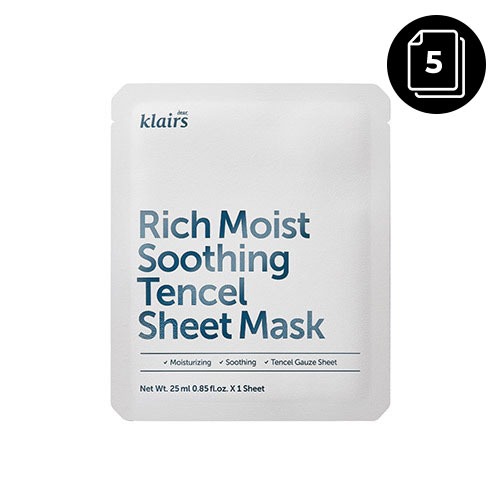
Klairs — Rich Moist Soothing Tencel Sheet Mask$12 · KR #34 · ★4.4

Dr. Jart+ — Dermask Water Jet Vital Hydra Solution$34 · KR #26 · ★4.5
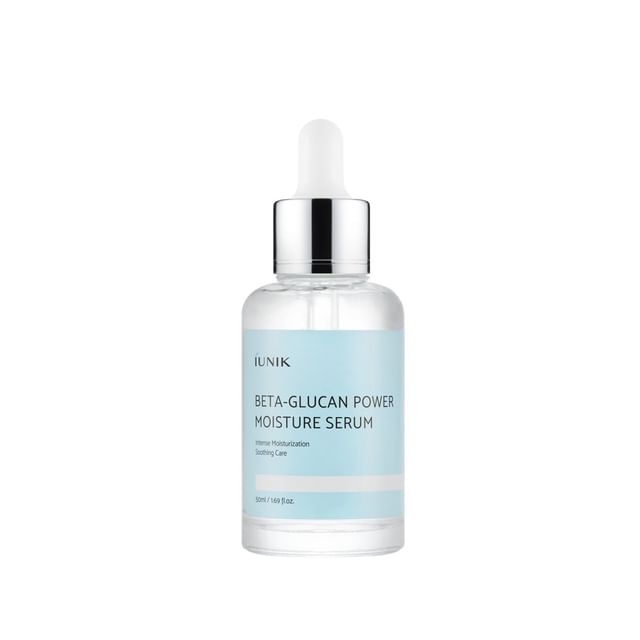
iUNIK — Beta-Glucan Power Moisture Serum$18 · KR #32 · ★4.5

Klairs — Rich Moist Soothing Serum$23 · KR #33 · ★4.4

Some By Mi — Beta Panthenol Repair Serum$22 · KR #29 · ★4.5

Some By Mi — Beta Panthenol Repair Cream$27.12 · ★4.8

Klairs — Supple Preparation Facial Toner$21.99 · ★4.6