Ingredient guide
Adenosine
Evidence: Moderate
Korea's official anti-wrinkle functional ingredient (MFDS-listed) — mild, stable firming support in countless K formulas.
In depth — how it works, who it's for, how to layer
Adenosine is a nucleoside, a building block related to cellular energy and signaling, that is produced synthetically for cosmetic use. It holds a distinctive status in Korea as an officially recognized anti-wrinkle functional ingredient under MFDS (the Korean regulator), which is why it appears in so many K-beauty firming formulas at standardized levels.
The evidence is moderate. Studies, including those underpinning its regulatory status, support a mild smoothing and anti-wrinkle effect at low concentrations (around 0.04 percent), attributed to effects on skin-cell signaling and collagen support. The benefit is real but gentle; adenosine is a steady, well-tolerated firming helper rather than a dramatic anti-aging active.
It is best for people who want low-irritation firming support, including sensitive skin that cannot tolerate stronger actives, and it works well as a background ingredient in daily anti-aging routines. It maps to aging concerns.
Layering is easy and conflict-free. Adenosine is stable and combines comfortably with peptides, niacinamide, hyaluronic acid, retinoids and vitamin C, making it a natural companion in multi-active formulas. There is nothing it strictly conflicts with.
On safety, adenosine is one of the gentler actives, typically fragrance-free and very low in irritation potential, and it does not feed Malassezia, so it suits fungal-acne-prone routines. Specific pregnancy data for topical cosmetic adenosine are limited, but it is not associated with known concerns; as with any active, confirm new products with your clinician if you are pregnant or breastfeeding.
Products with adenosine (10)

IOPE — Retinol Expert 0.1%$42 · KR #8 · ★4.5
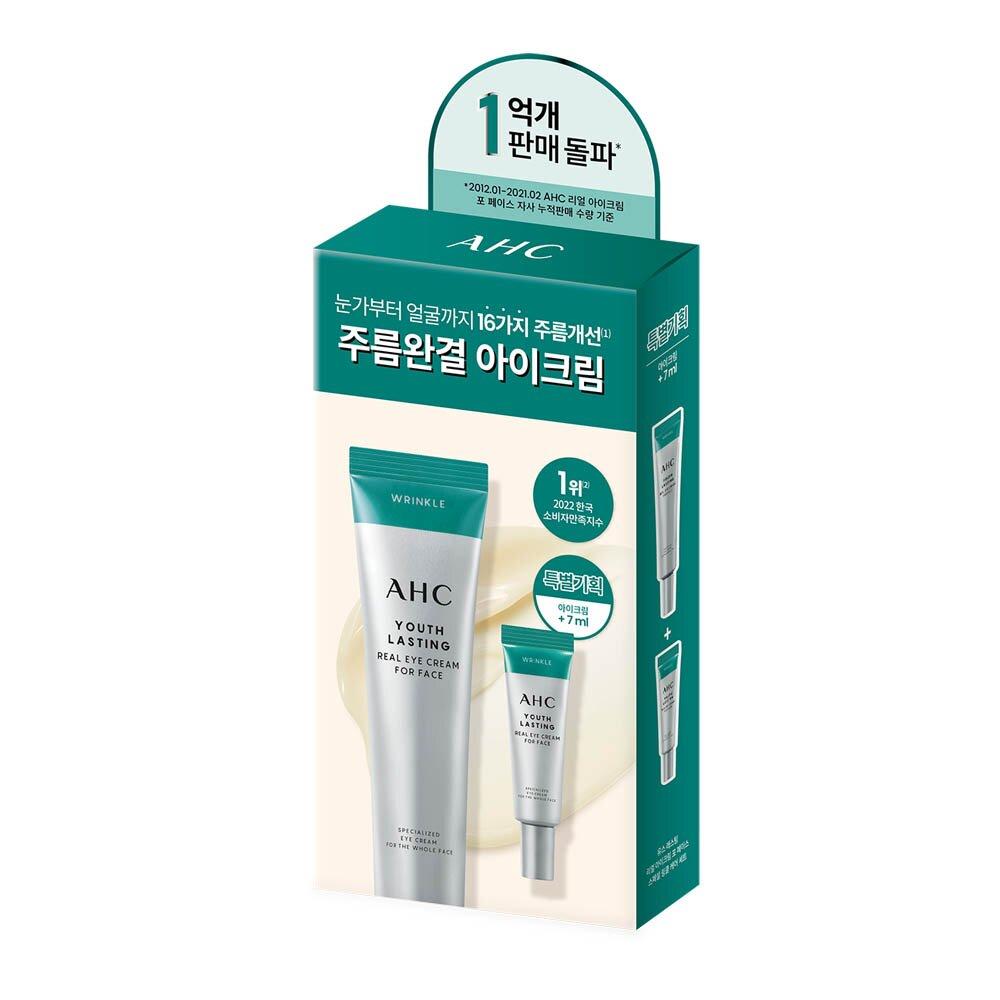
AHC — Youth Lasting Real Eye Cream For Face$28 · KR #1 · ★4.5

Isntree — Hyper Retinol EX 1.0$28 · KR #16 · ★4.4

TIA'M — Vita A Anti-Wrinkle Moisturizer$20 · ★4.4

Elizavecca — Gold CF-Nest B-Jo Eye Want Cream$13 · ★4.3
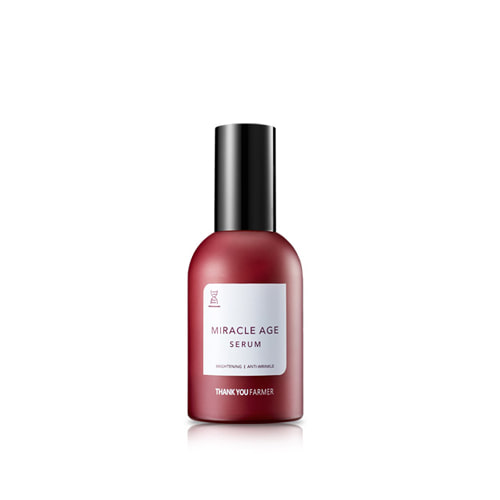
Thank You Farmer — Miracle Age Repair Serum$32 · ★4.4
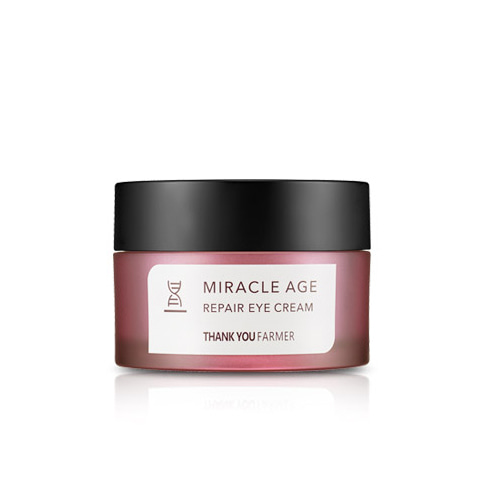
Thank You Farmer — Miracle Age Repair Eye Cream$32 · ★4.4

T'else — Kombucha Hydro Glow Ampoule$25 · ★4.4

Sungboon Editor — Deep Collagen Anti-Wrinkle Lifting Mask$20 · ★4.5

athe — Authentic Lip Glowy Balm x Pompompurin Limited Edition$23 · ★4.8