Ingredient guide
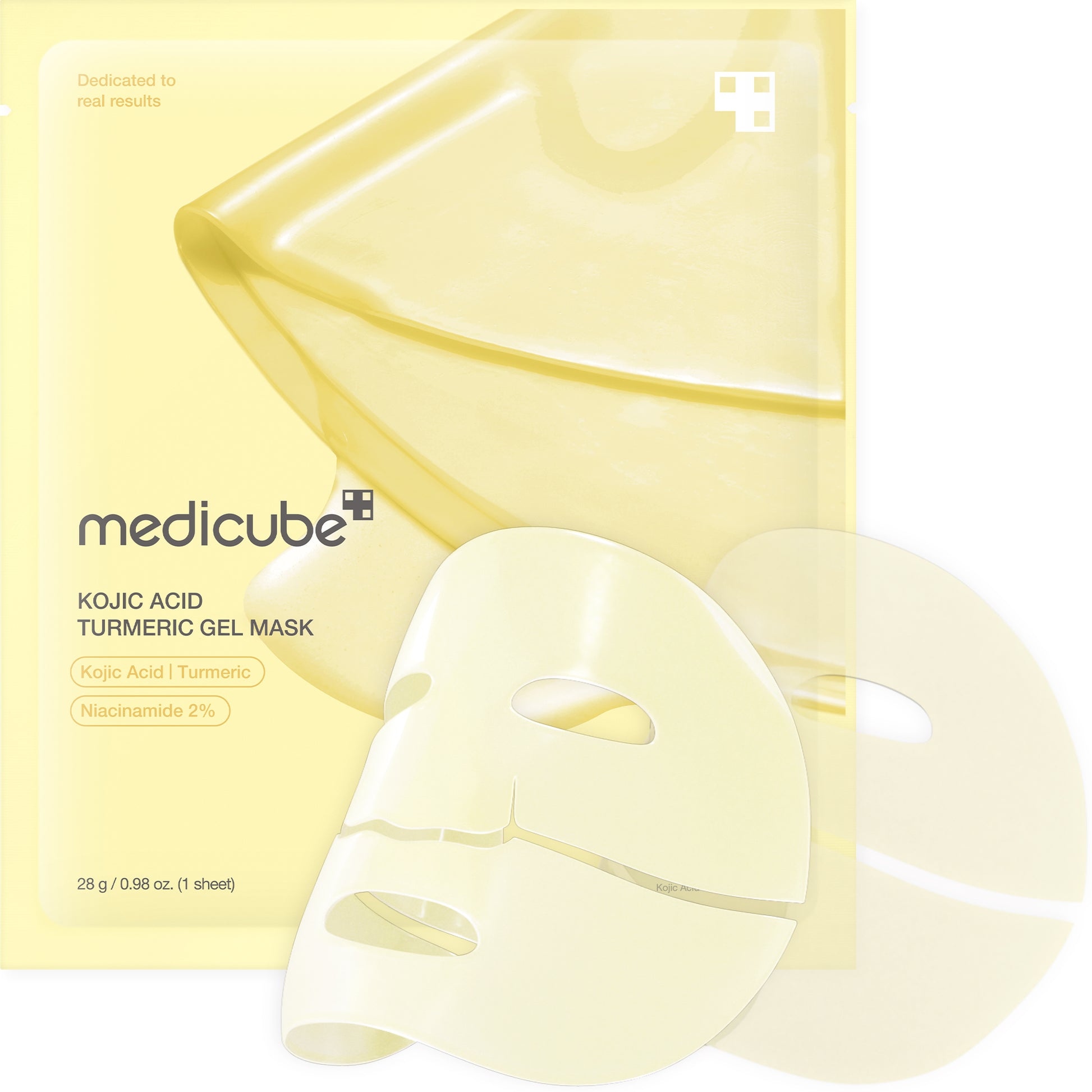
Turmeric
Evidence: Emerging
Anti-inflammatory antioxidant spice extract — brightening supporting act, often with kojic acid.
In depth — how it works, who it's for, how to layer
Turmeric comes from the root of Curcuma longa, and its most studied compound is curcumin, a bright yellow polyphenol with well-documented anti-inflammatory and antioxidant activity in the laboratory. It has deep roots in South Asian skincare traditions and appears in brightening and soothing formulas, often alongside other actives.
The evidence is emerging for topical cosmetics. Curcumin's anti-inflammatory and antioxidant properties are well characterized in research, and there is preliminary interest in turmeric for brightening and calming skin, but curcumin penetrates skin poorly and is unstable, which limits how much of its laboratory promise translates to finished products. It is best framed as a promising antioxidant-and-soothing botanical whose real-world topical performance is still being established.
It is best for people wanting a gentle brightening and calming supporting ingredient, particularly for dullness and uneven tone, often paired with dedicated brighteners like kojic acid. It maps to dullness and dark-spot concerns.
Layering is easy. Turmeric appears in masks, serums and creams and pairs well with niacinamide, kojic acid, licorice root and hydrators. There are no notable chemical conflicts.
On safety, turmeric is generally well tolerated, though it can temporarily stain skin, fabrics and light-colored products yellow, and as a botanical it can occasionally sensitize reactive skin, so patch testing is sensible. It is not a recognized Malassezia feeder. No specific pregnancy concerns are documented for topical turmeric in cosmetics, and its gentle profile makes it low risk, but as with any new product, confirm with your clinician if you have specific concerns during pregnancy or breastfeeding.