Ingredient guide
Squalane
Evidence: Strong
Skin-identical lightweight emollient — non-greasy moisture that almost no skin type rejects.
In depth — how it works, who it's for, how to layer
Squalane is a lightweight emollient made by hydrogenating squalene, a lipid your skin produces naturally. Modern cosmetic squalane is derived from plant sources such as olives or sugarcane rather than shark liver, and the hydrogenation makes it far more stable and shelf-friendly than raw squalene.
The evidence is strong for what it claims to do: as a skin-identical emollient it softens, smooths and reduces water loss without a greasy feel, and it is exceptionally well tolerated. It is not an active that changes skin function so much as an excellent, near-universally compatible moisturizing oil.
It is best for almost every skin type, including dry, dehydrated, sensitive and even oily skin that wants lightweight moisture, and it is a favorite for calming skin after actives. It maps to dryness, dehydration and sensitivity concerns.
Layering is effortless. Squalane can be used alone as a final moisturizing step, mixed into creams, or layered over water-based serums to seal in hydration, and it pairs with everything, including retinoids and acids, where it helps buffer irritation. There are no conflicts.
On safety, squalane is one of the gentlest ingredients in skincare, typically fragrance-free, non-sensitizing and widely considered non-comedogenic. Importantly for fungal-acne-prone users, squalane is generally regarded as one of the safer emollients because Malassezia does not readily use it as a food source, unlike many fatty oils. It is considered safe during pregnancy and breastfeeding. Confirm new products with your clinician only if you have specific sensitivities.
Products with squalane (19)

AXIS-Y — Dark Spot Correcting Glow Serum$20 · KR #11 · ★4.5

belif — The True Cream Aqua Bomb$38 · KR #10 · ★4.5

Laneige — Water Bank Blue Hyaluronic Cream$40 · KR #24 · ★4.5

Torriden — SOLID-IN Ceramide Cream$26 · KR #21 · ★4.6
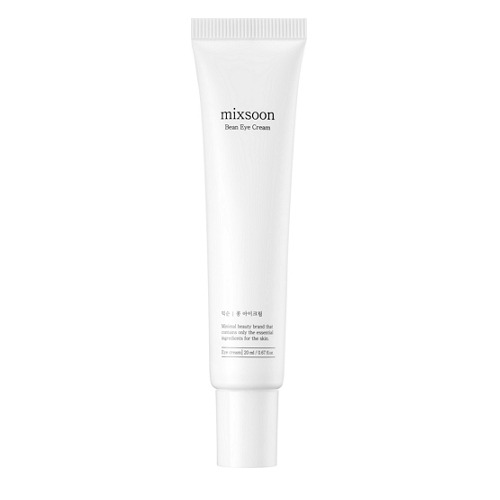
Mixsoon — Bean Cream$28 · KR #26 · ★4.5

Heimish — Marine Care Deep Moisture Nourishing Melting Cream$30 · KR #49 · ★4.4
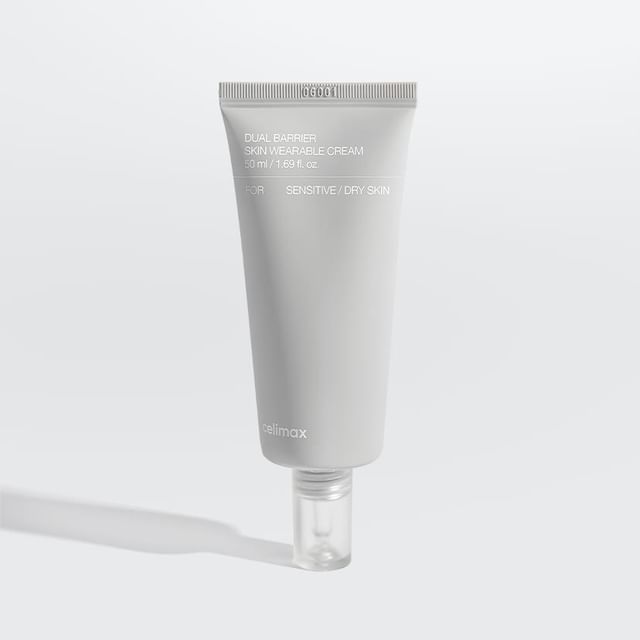
Celimax — Dual Barrier Skin Wearable Cream$24 · KR #20 · ★4.6
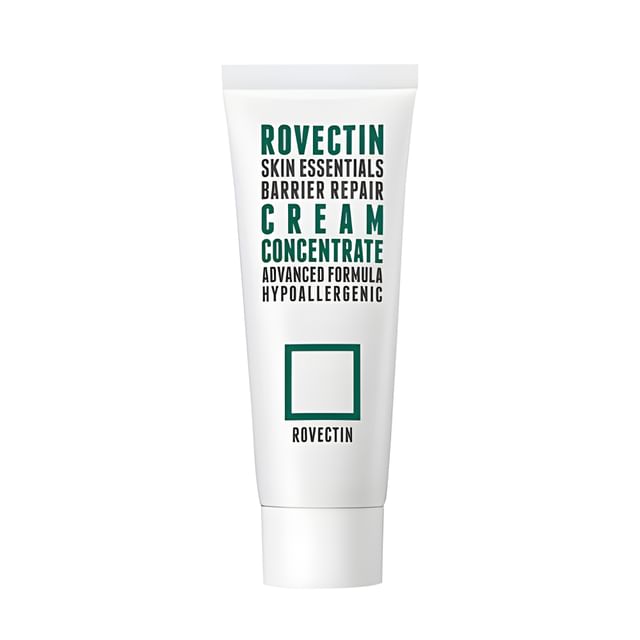
Rovectin — Skin Essentials Barrier Repair Cream$28 · KR #53 · ★4.5

Huxley — Oil Essence: Essence-Like, Oil-Like$35 · KR #26 · ★4.5

Laneige — Water Sleeping Mask$32 · KR #19 · ★4.5
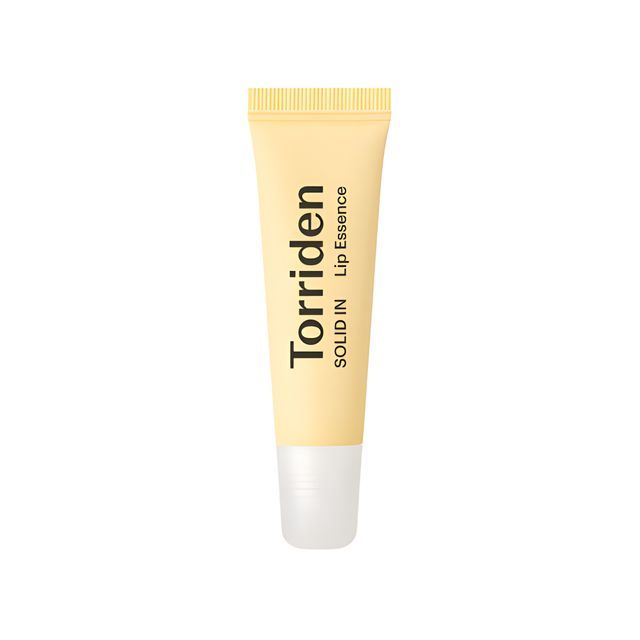
Torriden — SOLID-IN Ceramide Lip Essence$12 · KR #2 · ★4.6

S.Nature — Aqua Squalane Moisturizing Cream$25 · ★5

S.Nature — Aqua Squalane Serum$22 · ★4.8

Purito Seoul — Mighty Bamboo Panthenol Cream$23 · ★5

OLIVARRIER — Dual Moist Toning Lotion$22 · ★4.4

Then I Met You — Birch Milk Refining Toner$35 · ★4.5

Then I Met You — Bong² Bounce Cream$46 · ★4.5

Rovectin — Intense Glow Oil$27 · ★4.4

Zeroid — Intensive Cream$25 · ★4.3