Ingredient guide
Fermented soybean
Evidence: Emerging
Nutrient ferment for softness and glow — the gommage-essence hero.
In depth — how it works, who it's for, how to layer
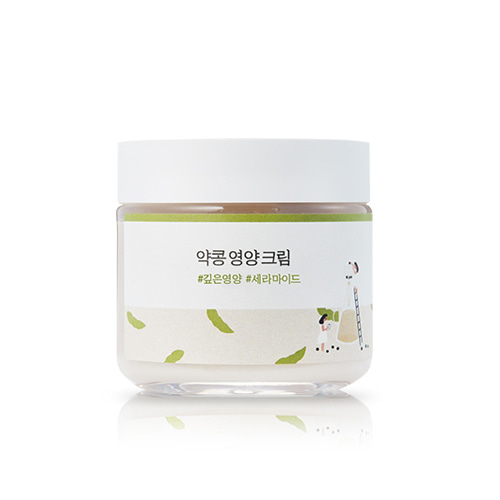
Fermented soybean (often listed as glycine soja ferment) is soybean that has undergone fermentation, a process that breaks down its components and can increase the availability of amino acids, peptides, isoflavones and other nutrients. It is a hero of gommage essences and softening K-beauty formulas prized for a smooth, glowing finish.
The evidence is emerging. Fermentation is thought to enhance the skin availability of soy's nutrients and antioxidants, and soy isoflavones have some research interest for skin, but strong clinical proof specific to fermented soybean cosmetics is limited. It is best viewed as a nourishing, softening ferment with a plausible but not definitive benefit, judged by the overall formula.
It is best for people wanting smoother, softer, more radiant-looking skin and a gentle nourishing step, particularly normal and dry skin. It maps to texture and dullness concerns.
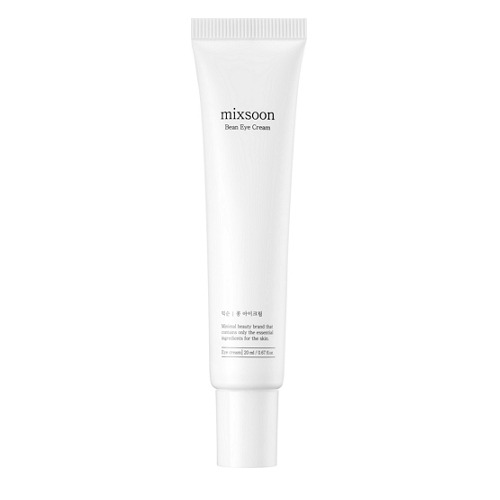
Layering is easy. Soybean ferment appears in essences, toners and creams and pairs well with niacinamide, hyaluronic acid, panthenol and other hydrators. There are no notable chemical conflicts.
Safety follows the ferment pattern. As a fermentation-derived ingredient, it may act as a Malassezia food source for some, so patch testing is advisable if you are fungal-acne-prone. Soy is also a recognized allergen, so those with soy sensitivity should be cautious, and some formulas add fragrance. No specific pregnancy concerns are documented for topical soybean ferment, though people managing hormone-sensitive conditions occasionally prefer to limit topical soy given its phytoestrogen content; the evidence for meaningful hormonal effect from topical use is weak, but confirm with your clinician if this applies to you.
⚠ Ferments — patch test if fungal-acne prone