Ingredient guide
Propolis
Evidence: Moderate
Bee-derived soother with antibacterial and glow benefits — great for acne-prone dullness.
In depth — how it works, who it's for, how to layer
Propolis is a resinous material honeybees make from plant and tree exudates to seal and protect their hive. Cosmetically it is used as an extract rich in flavonoids and phenolic compounds, prized in K-beauty for a warm, glow-giving finish and mild antibacterial character.
The evidence is moderate. Propolis extracts show antioxidant, anti-inflammatory and antibacterial activity in laboratory studies, and there is some support for wound healing and soothing, which lines up with its popularity for acne-prone, dull skin. Robust clinical trials on finished propolis skincare are limited, so the sensible reading is a supportive ingredient with a plausible mechanism rather than a proven treatment.
It is best for acne-prone or congested skin that also looks dull, and for people who want a nourishing, slightly dewy hydrating layer. It maps to dullness and acne concerns.
Layering is easy. Propolis ampoules and serums sit in the treatment or hydrating steps and pair well with niacinamide, panthenol, Centella and honey. There are no notable chemical conflicts, though very rich propolis balms can feel heavy over other occlusives.
Safety deserves attention: the important caution is bee-product allergy (propolis, honey, royal jelly), which can cause allergic contact dermatitis, so anyone with a known bee sensitivity should avoid it and everyone else should patch test. Some propolis products also carry a natural aroma or added fragrance. Because it contains resins and can appear in richer formulas, fungal-acne-prone users may want to patch test. No specific pregnancy concerns are documented for topical use, but confirm new products with your clinician.
⚠ Avoid with bee allergies
Products with propolis (20)

Beauty of Joseon — Glow Serum: Propolis + Niacinamide$17 · KR #6 · ★4.6

Benton — Snail Bee High Content Essence$18 · KR #22 · ★4.5

COSRX — Full Fit Propolis Synergy Toner$22 · KR #13 · ★4.6

Benton — Aloe Propolis Soothing Gel$16 · KR #47 · ★4.4

Nacific — Fresh Herb Origin Cream$25 · KR #55 · ★4.3
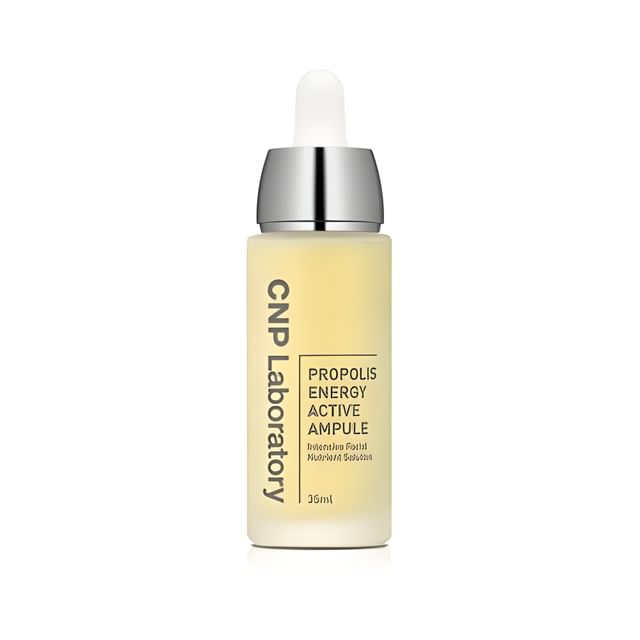
CNP Laboratoire — Propolis Energy Ampule$32 · KR #10 · ★4.6

Papa Recipe — Bombee Honey Mask$22 · KR #16 · ★4.5

COSRX — Full Fit Propolis Light Ampoule$28 · KR #12 · ★4.6
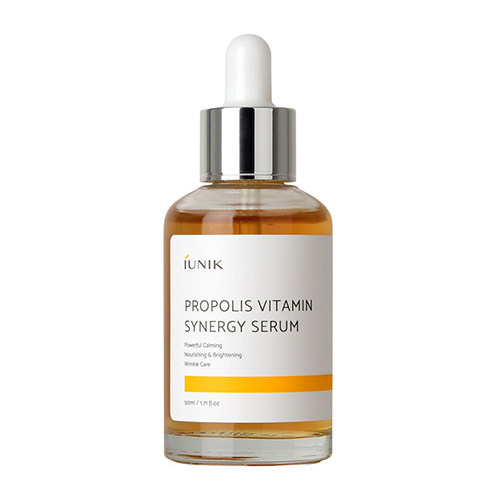
iUNIK — Propolis Vitamin Synergy Serum$17 · KR #30 · ★4.5

Nacific — Fresh Herb Origin Serum$23 · KR #38 · ★4.4
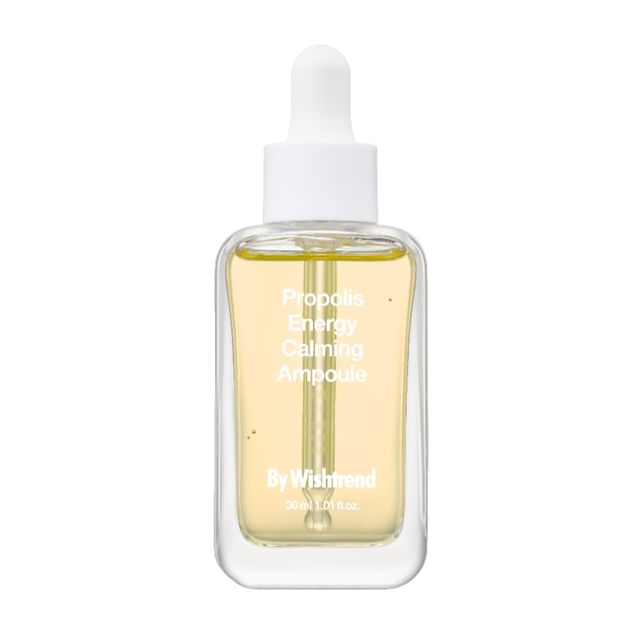
By Wishtrend — Propolis Energy Calming Ampoule$22 · KR #41 · ★4.5
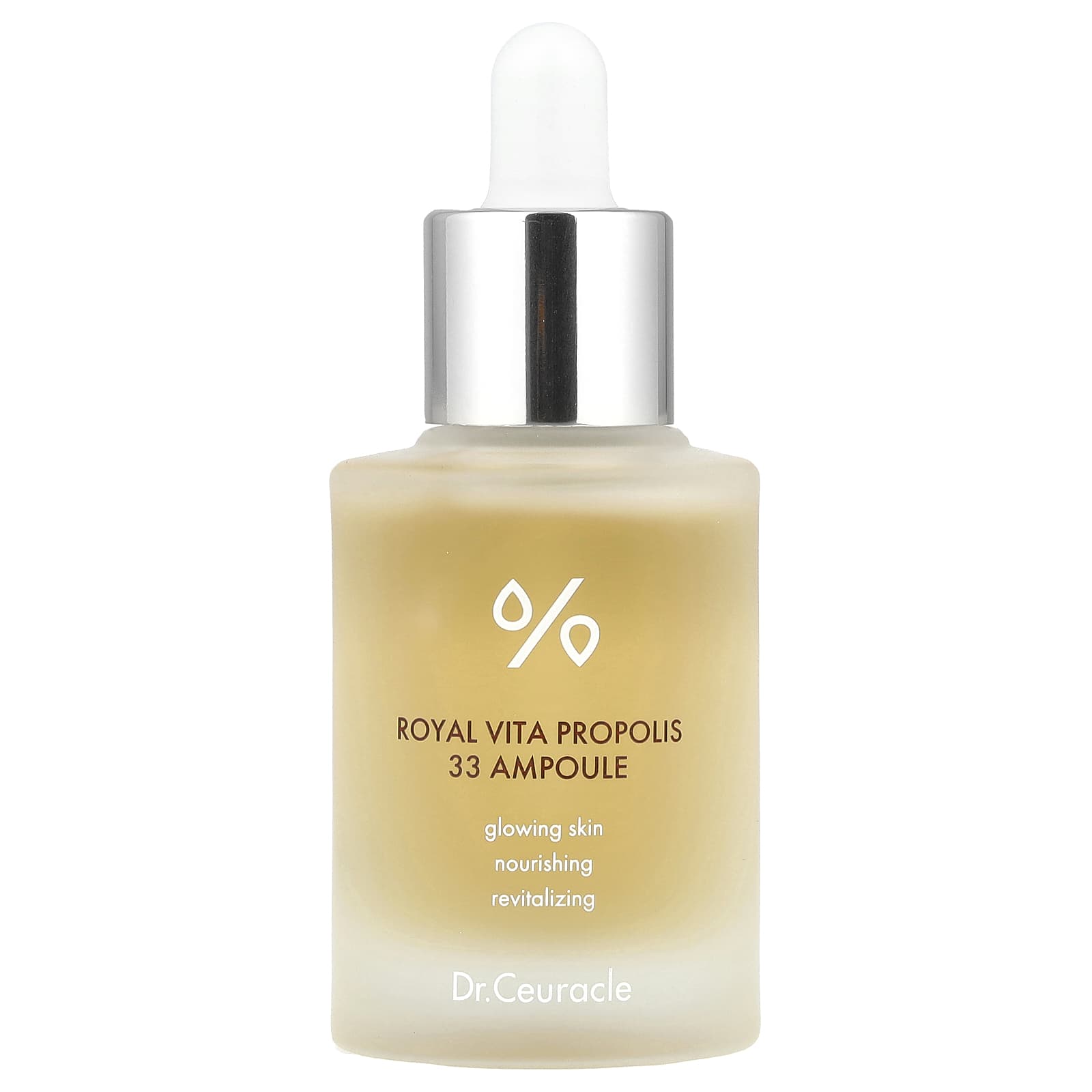
Dr. Ceuracle — Royal Vita Propolis 33 Ampoule$29 · ★4.6

iUNIK — Propolis Vitamin Sleeping Mask$15 · ★4.9

COSRX — One Step Moisture Up Pad$22 · ★4.5
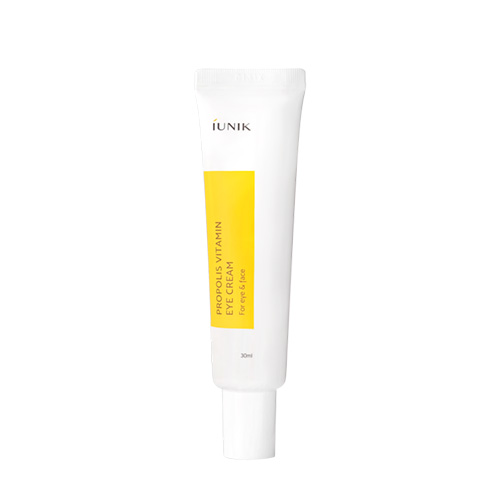
iUNIK — Propolis Vitamin Eye Cream$14 · ★4.4
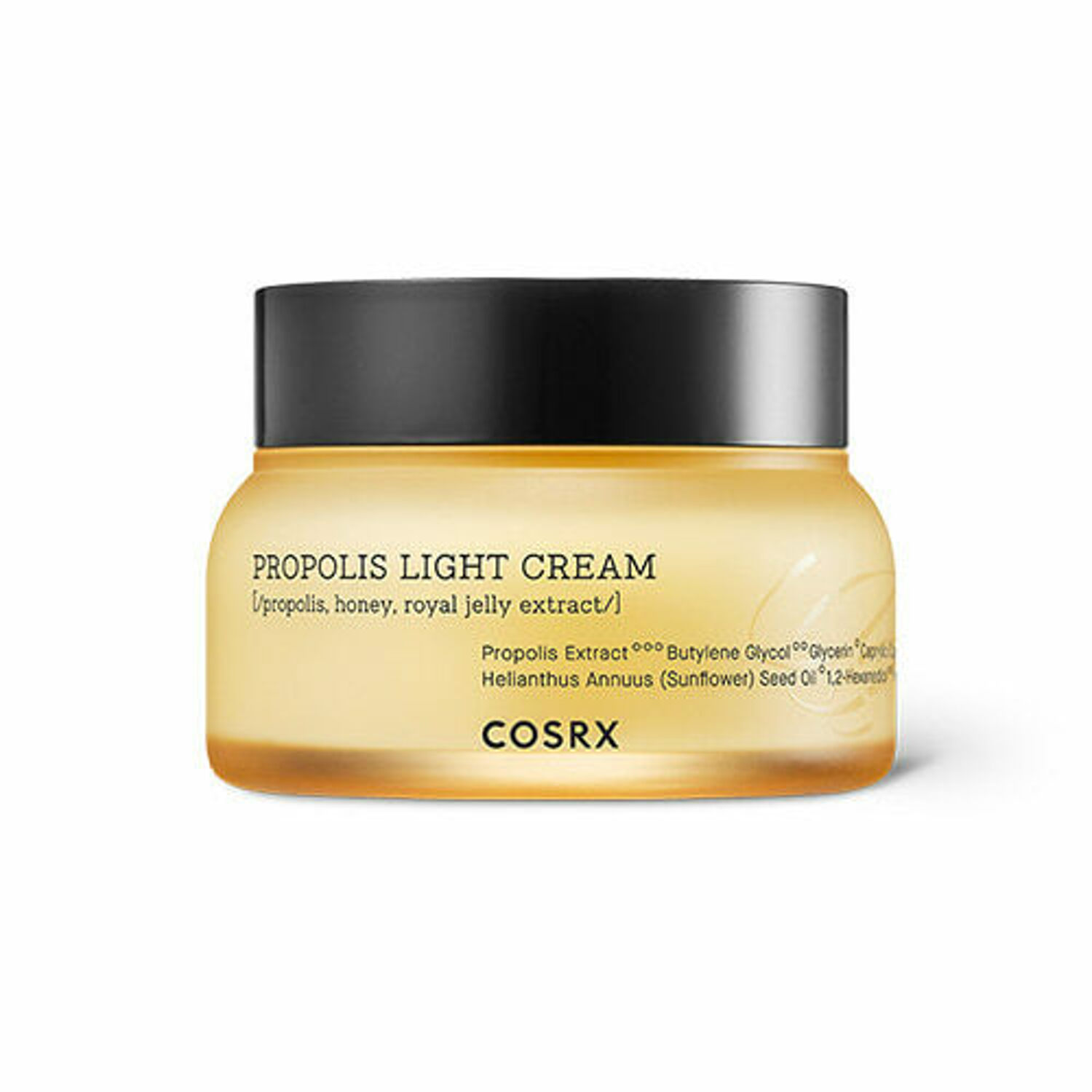
COSRX — Full Fit Propolis Light Cream$32 · ★5

CNP Laboratoire — Propolis Essential Eye Cream$41 · ★4.5

Mediheal — THE H.P.A Glowing Ampoule Mask$30 · ★5
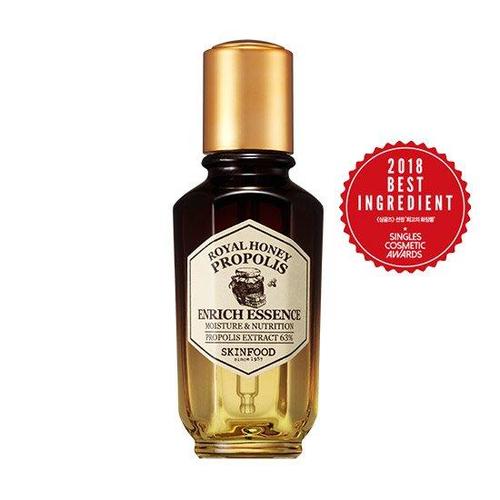
Skinfood — Royal Honey Propolis Enrich Essence$28 · ★4.6

COSRX — Propolis Light Cream$32 · ★4.5