Ingredient guide
Mung bean
Evidence: Emerging
Gentle cleansing-friendly botanical used to keep low-pH cleansers soft on the barrier.
In depth — how it works, who it's for, how to layer
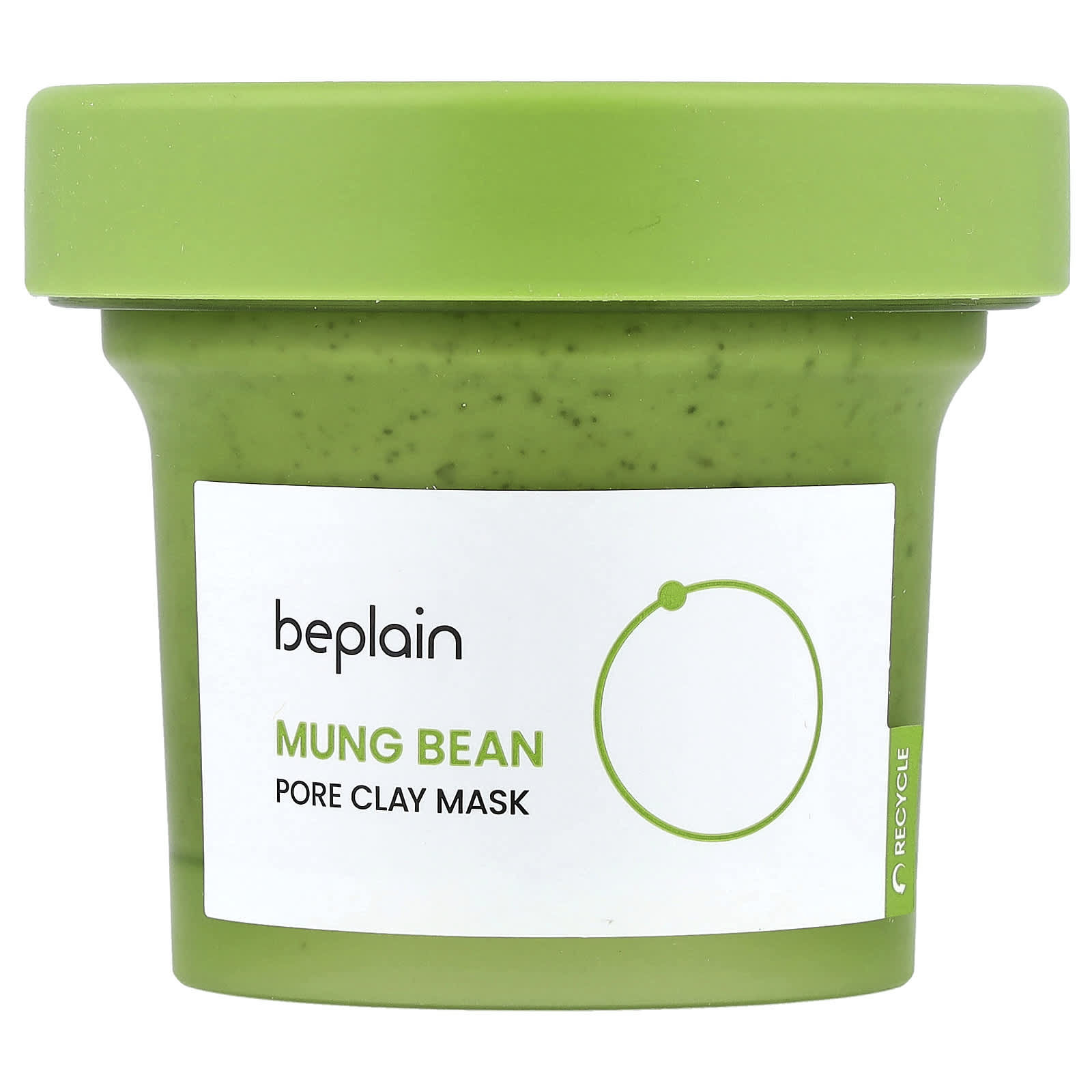
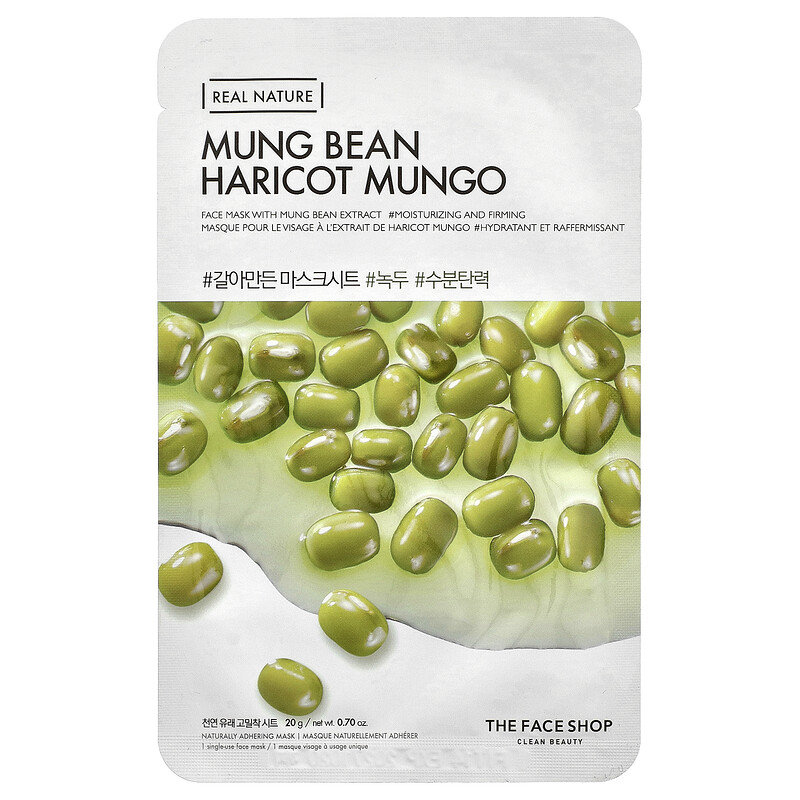
Mung bean (green gram) is a legume long used in Korean and East Asian skin traditions, historically ground into cleansing powders. In modern K-beauty it appears as an extract valued for gentle cleansing support and mild antioxidant character, often used to keep low-pH cleansers soft and non-stripping on the barrier.
The evidence is emerging. Mung bean contains antioxidant and soothing plant compounds and has a traditional role in gentle cleansing, but rigorous clinical data on mung bean cosmetics are limited. It is fair to treat it as a mild, barrier-friendly supporting botanical whose benefit lies mainly in gentleness rather than proven active performance.
It is best for sensitive and oily-but-reactive skin that wants gentle cleansing and a soft finish, and for anyone prioritizing a non-stripping routine. It maps to sensitivity and pore and oil concerns.
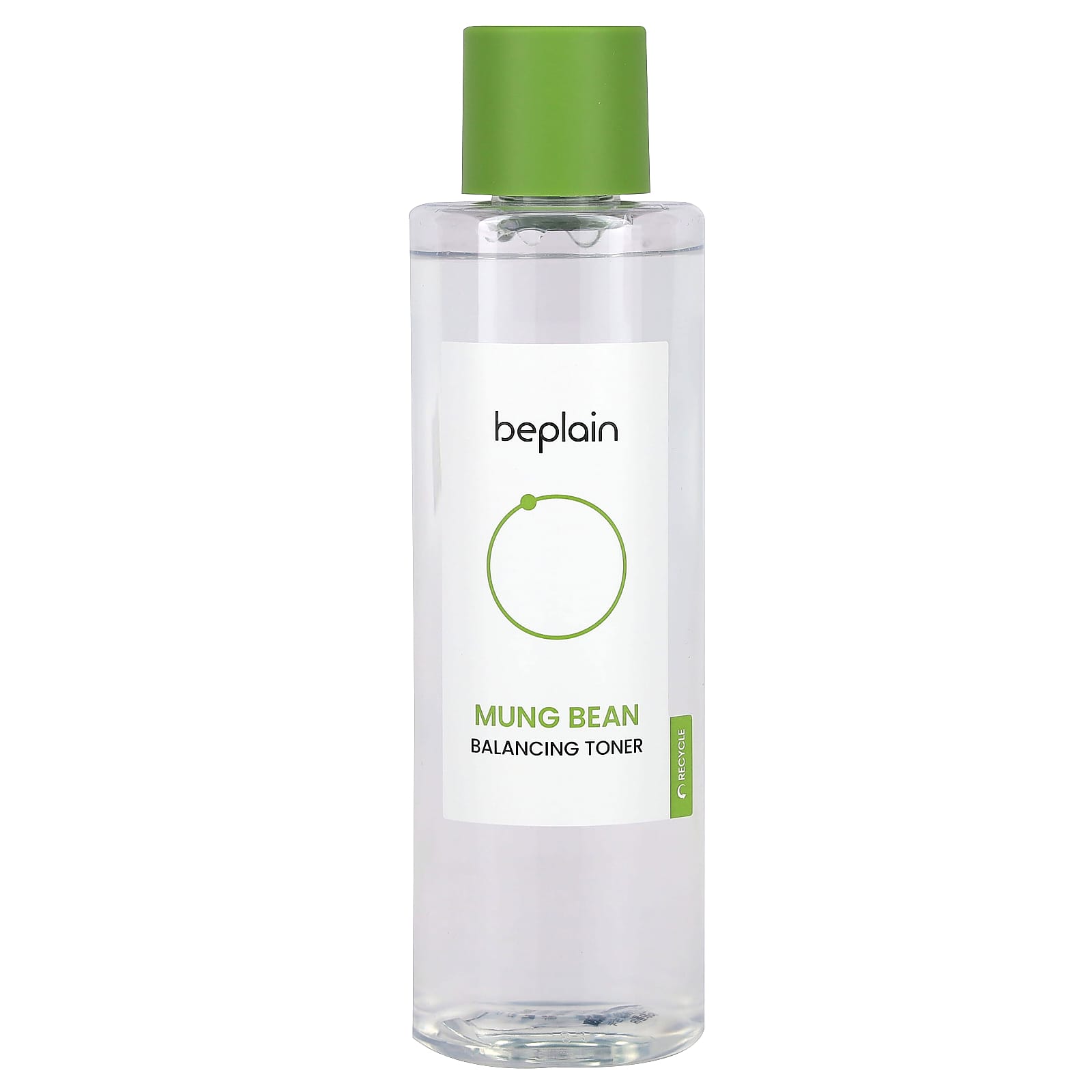
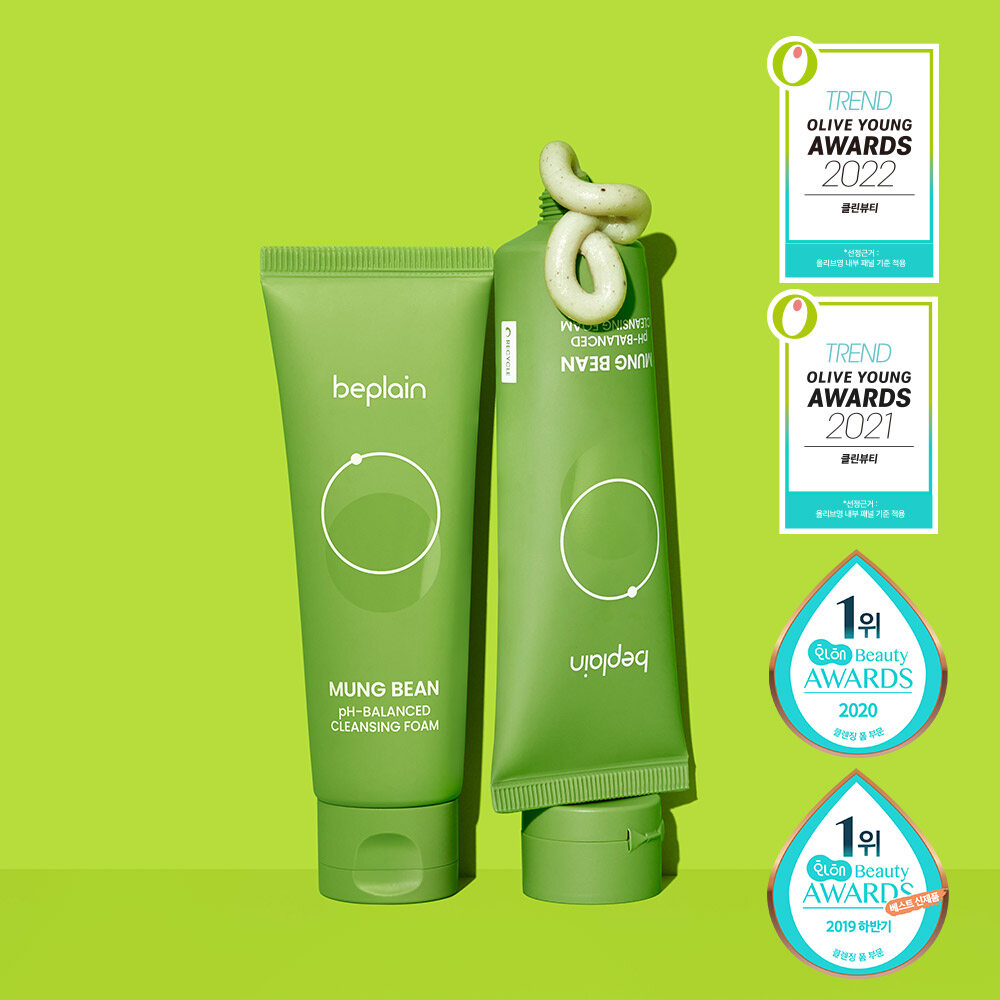
Layering is easy. Mung bean is most common in cleansers, powders and toners and pairs well with other gentle ingredients like Centella, panthenol and hyaluronic acid. There are no notable chemical conflicts.
On safety, mung bean extract is generally well tolerated, though as a botanical and a legume it could theoretically pose a concern for those with relevant allergies, so patch testing is sensible for very reactive skin, and some formulas add fragrance. It is not a recognized Malassezia feeder. No specific pregnancy concerns are documented for topical mung bean extract, and its gentle profile makes it low risk, but as with any product, confirm with your clinician if you have specific concerns during pregnancy or breastfeeding.