Ingredient guide
Glutathione
Evidence: Emerging
Antioxidant marketed for 'tone-up' brightening; topical penetration data is limited — judge by the full formula.
In depth — how it works, who it's for, how to layer
Glutathione is a tripeptide antioxidant (built from glutamate, cysteine and glycine) that the body produces naturally and that plays a central role in cellular defense. In beauty it is marketed heavily for a lightening or tone-up effect, in part because it can shift melanin production toward lighter pigment types.
Here honesty is essential. Much of glutathione's fame comes from oral and intravenous use, where evidence for skin lightening is weak and inconsistent, and where intravenous use in particular raises real safety concerns and is not a legitimate cosmetic practice. For topical products, penetration of this relatively large, unstable molecule into skin is limited, and robust clinical proof of visible brightening from topical glutathione is scarce. Its evidence is best classed as emerging and its marketing frequently outruns the science.
It is best viewed as a supporting antioxidant in a well-rounded formula rather than a reliable brightener, of interest to people focused on dullness and uneven tone who keep expectations modest. It maps to dullness and dark-spot concerns.
Layering is uncomplicated. Topical glutathione coexists with niacinamide, vitamin C and hydrators, and there are no notable conflicts, so it can sit within an antioxidant-focused routine.
On safety, topical glutathione is generally well tolerated. The important cautions are about the category: avoid unregulated injectable glutathione entirely, and treat aggressive whitening claims skeptically. It does not feed Malassezia. Pregnancy data for cosmetic use are limited, and given the weak evidence base the cautious position is to skip unproven brightening trends while pregnant and confirm anything with your clinician.
⚠ Brightening claims often outrun the topical evidence
Products with glutathione (9)

Numbuzin — No.5 Vitamin Concentrated Serum$28 · KR #9 · ★4.5

Abib — Glutathiosome Dark Spot Pad Vita Touch$27 · ★4.9
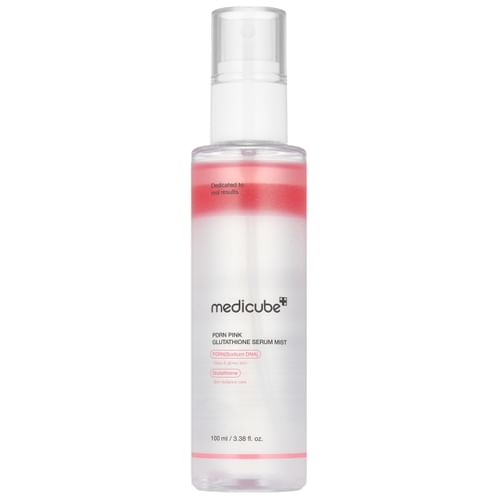
Medicube — PDRN Pink Glutathione Serum Mist$26 · ★4.5

APLB — Glutathione Niacinamide Facial Cream$16.4 · ★4.9
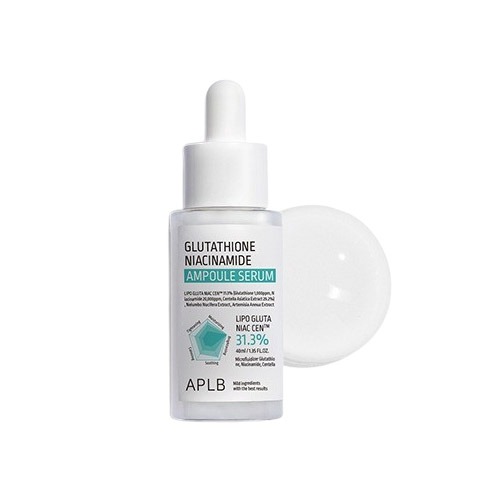
APLB — Glutathione Niacinamide Ampoule Serum$16.4 · ★4.9

Abib — Glutathiosome Dark Spot Serum Vita Drop$32 · ★4.9

Some By Mi — Galactomyces Glutathione Brightening Cream$29.9 · ★4.4

Some By Mi — Galactomyces Glutathione Glow Milky Toner$24.3 · ★5

Easydew — Melatoning Cream$23 · ★4.8