Ingredient guide
Birch sap
Evidence: Moderate
Light hydrating plant water rich in minerals — Korea's moisture-sunscreen signature.
In depth — how it works, who it's for, how to layer
Birch sap, also called birch juice or birch water, is the mineral-rich fluid tapped from birch trees (Betula species) in early spring. Used in Korean and Northern European traditions, it is featured in K-beauty as a hydrating base, sometimes replacing plain water in a formula, and it carries trace minerals, amino acids and sugars.
The evidence is emerging. Birch sap provides light hydration and a mineral-rich, refreshing feel, and it has some antioxidant components, but robust clinical proof of distinct skin benefits from birch sap in finished cosmetics is limited. It is fair to view it as a pleasant, gentle hydrating ingredient whose main role is as a nutrient-carrying water phase rather than a proven active.
It is best for people wanting lightweight, non-heavy hydration, including combination and normal skin, and it pairs naturally with the moisture-sunscreen and dewy-finish styles popular in Korea. It maps to dehydration and sun-care (hydration support) concerns.
Layering is easy. Birch sap appears in toners, essences and moisturizers and pairs well with hyaluronic acid, panthenol, niacinamide and glycerin. There are no notable conflicts, and as a water-phase hydrator it sits comfortably early in a routine.
On safety, birch sap is generally well tolerated, though people with birch pollen allergy may wish to patch test given the possibility of cross-reactivity, and some formulas add fragrance. It is not a recognized Malassezia feeder. No specific pregnancy concerns are documented for topical birch sap, and its gentle profile makes it low risk, but confirm new products with your clinician if you have specific concerns.
Products with birch sap (8)
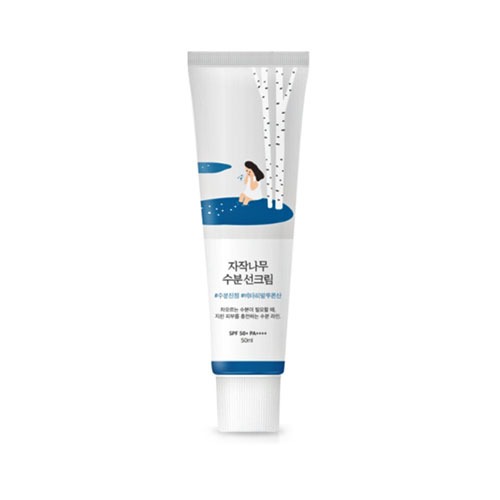
Round Lab — Birch Juice Moisturizing Sunscreen$20 · KR #1 · ★4.5
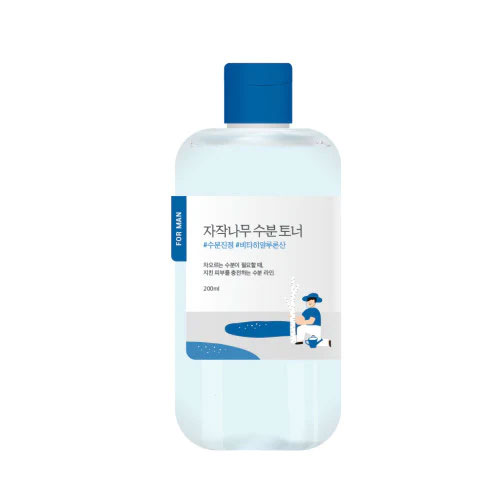
Round Lab — Birch Juice Moisturizing Toner$19 · KR #10 · ★4.6
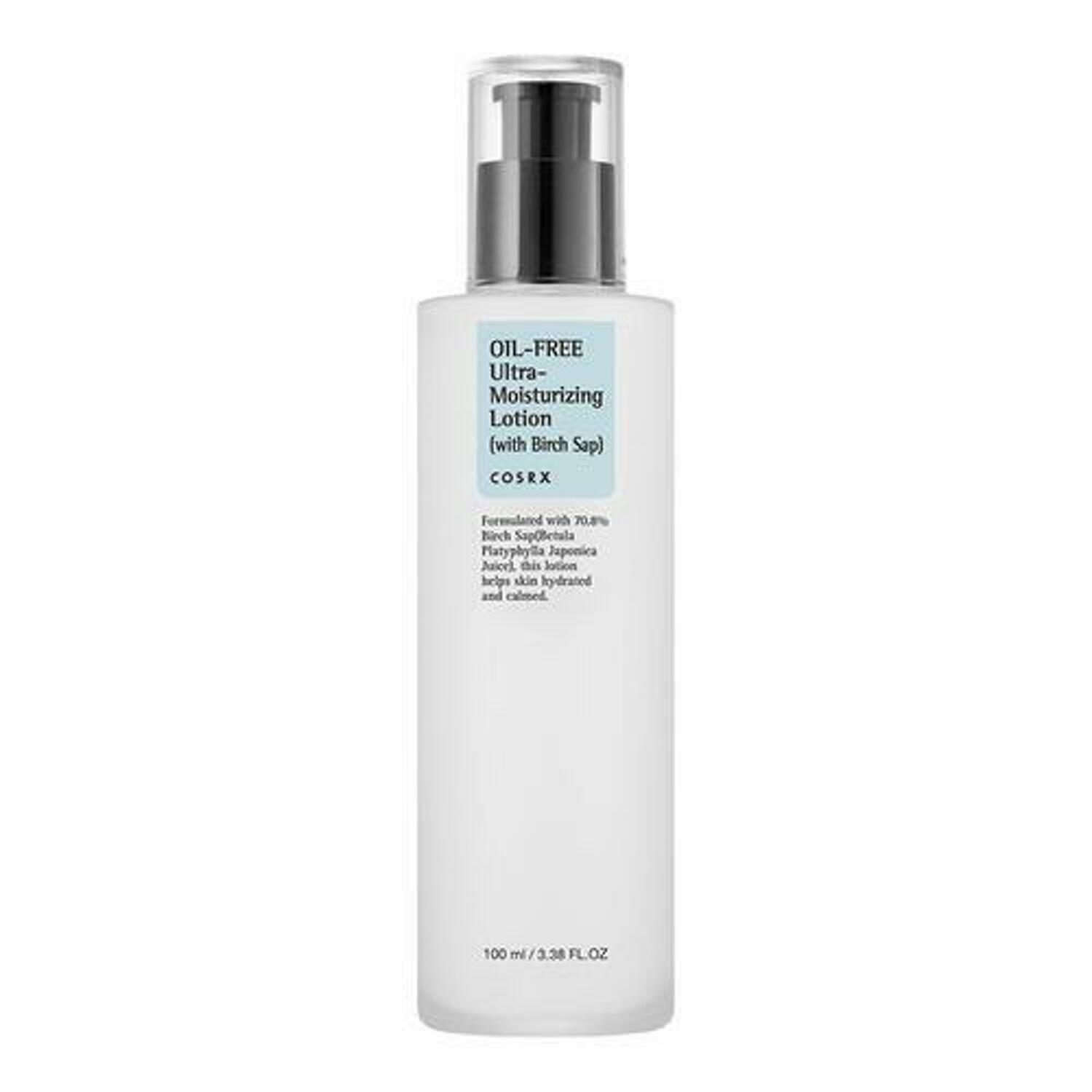
COSRX — Oil-Free Ultra-Moisturizing Lotion$23 · KR #34 · ★4.4

Round Lab — Birch Juice Moisturizing Cream$22 · KR #13 · ★4.6
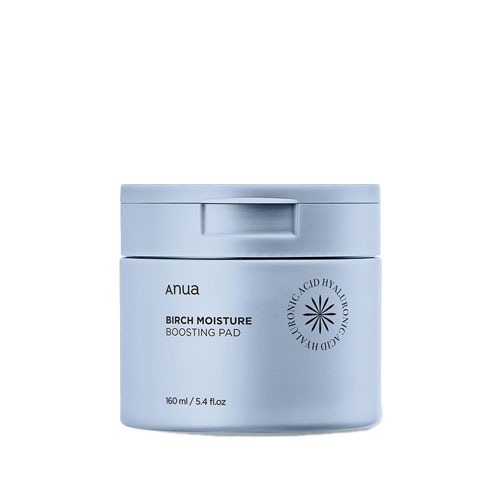
Anua — Birch Moisture Boosting Pad$22 · ★4.6
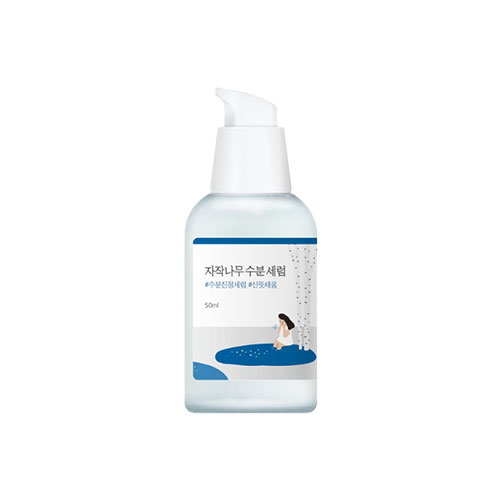
Round Lab — Birch Juice Moisturizing Serum$20 · ★5
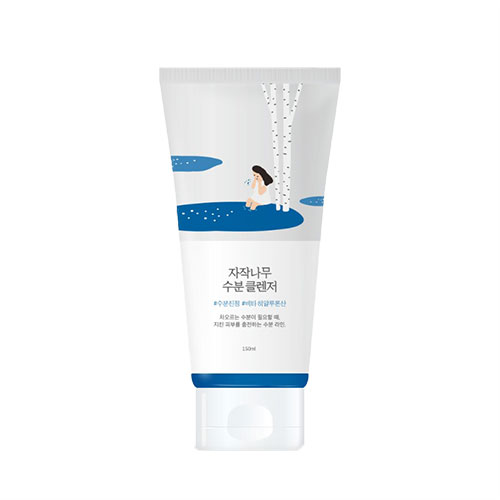
Round Lab — Birch Juice Moisturizing Cleanser$13 · ★4.9

Then I Met You — Birch Milk Refining Toner$35 · ★4.5