Ingredient guide
Alpha-arbutin
Evidence: Moderate
Gentle tyrosinase-inhibiting brightener for dark spots — slower than hydroquinone, far kinder.
In depth — how it works, who it's for, how to layer
Alpha-arbutin is a brightening ingredient built around a molecule of hydroquinone bonded to a sugar. This glycoside structure lets it release small amounts of hydroquinone gradually, so it inhibits the pigment-forming enzyme tyrosinase in a slower, gentler way than pure hydroquinone. It is produced synthetically for cosmetic use and is a mainstay of K-beauty dark-spot serums.
The evidence is moderate. Laboratory and some clinical data support alpha-arbutin for fading dark spots and evening tone, and it is generally considered more stable and better tolerated than plain hydroquinone, though its results are slower and it is not as intensively studied. It is a reasonable, low-drama choice for gradual pigment control rather than a rapid corrector.
It is best for people with sun- or acne-related dark spots and general dullness who want a gentle brightener, including sensitive and deeper skin tones. It maps to dark-spot and dullness concerns.
Layering works well in combination. Alpha-arbutin pairs productively with niacinamide, vitamin C, tranexamic acid and daily SPF, attacking pigmentation from multiple angles. It has no notable chemical conflicts and fits easily into most routines.
On safety, alpha-arbutin is usually well tolerated and often fragrance-free, with low irritation potential. It does not feed Malassezia. The relevant nuance is its hydroquinone lineage: because it can release hydroquinone, and hydroquinone is generally avoided in pregnancy, the cautious position is to pause arbutin during pregnancy and breastfeeding unless your clinician advises otherwise. Consistent sun protection is essential to keep any brightening gains.
Products with alpha-arbutin (5)
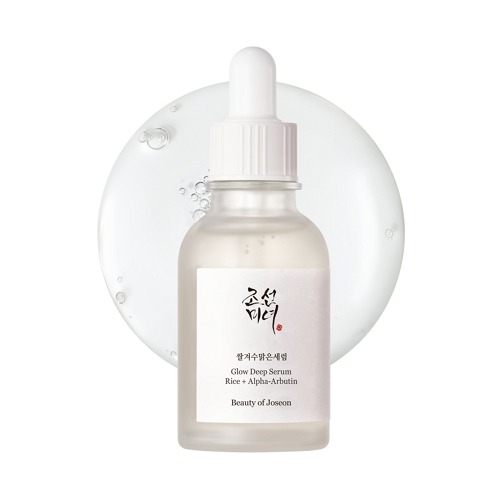
Beauty of Joseon — Glow Deep Serum: Rice + Arbutin$17 · KR #5 · ★4.6

Some By Mi — Yuja Niacin 30 Days Blemish Care Serum$23 · KR #35 · ★4.4
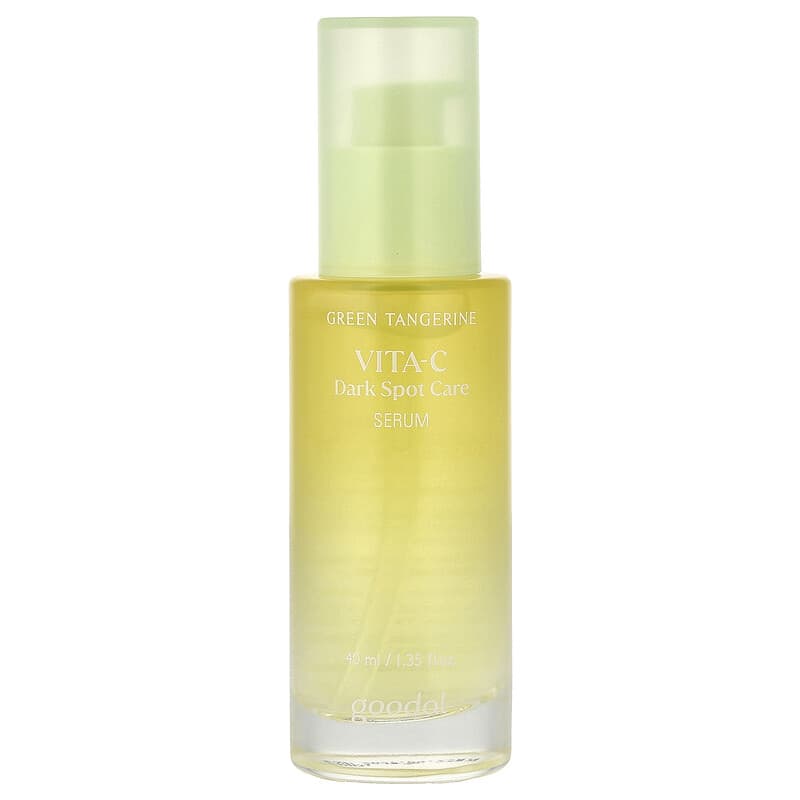
Goodal — Green Tangerine Vita C Dark Spot Serum Plus$22 · KR #10 · ★4.4
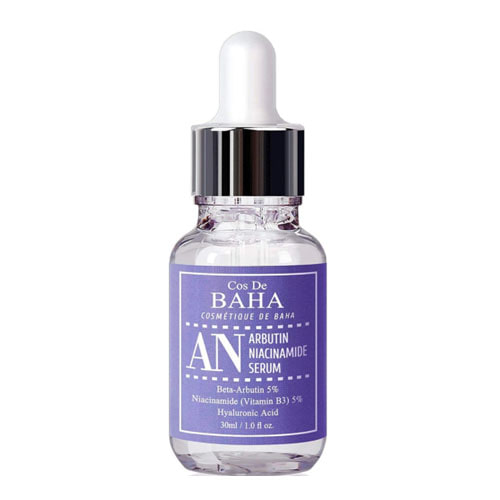
Cos De BAHA — Arbutin+Niacinamide Serum$18 · ★5

COSRX — Alpha-Arbutin 2 Discoloration Care Serum$25 · ★4.4