Ingredient guide
Aloe vera
Evidence: Moderate
Light hydrating soother for sun-stressed, hot skin; more comfort than cure.
In depth — how it works, who it's for, how to layer
Aloe vera (Aloe barbadensis) is a succulent whose inner leaf gel has been used for centuries to soothe skin. The gel is largely water with polysaccharides, some vitamins and other plant compounds, which is why it feels cooling and lightly hydrating and is a staple of after-sun and calming products.
The evidence is moderate, and honesty helps. Aloe is documented to provide light hydration and a soothing, cooling sensation, and there is some, though mixed, evidence for supporting minor burns and wound comfort. It is more a comfort ingredient than a proven treatment, and the felt relief is real even where robust clinical proof is thin.
It is best for hot, sun-stressed, irritated or dehydrated skin, and for anyone wanting a lightweight, refreshing calming layer. It maps to sensitivity, dehydration and sun-care concerns.
Layering is easy. Aloe sits in the hydrating steps and pairs well with panthenol, Centella, hyaluronic acid and niacinamide, and can buffer skin after sun or actives. Because it is largely water, seal it with a moisturizer in dry conditions to lock in hydration. There are no notable conflicts.
On safety, pure aloe gel is generally well tolerated, but some people react to it, and the yellow latex layer near the leaf skin (containing anthraquinones) can irritate, so quality processing matters; some products also add fragrance and alcohol. It is not a recognized Malassezia feeder. Topical aloe is generally considered acceptable during pregnancy, though oral aloe latex is not; as always, confirm new products with your clinician if you have specific concerns.
Products with aloe vera (14)
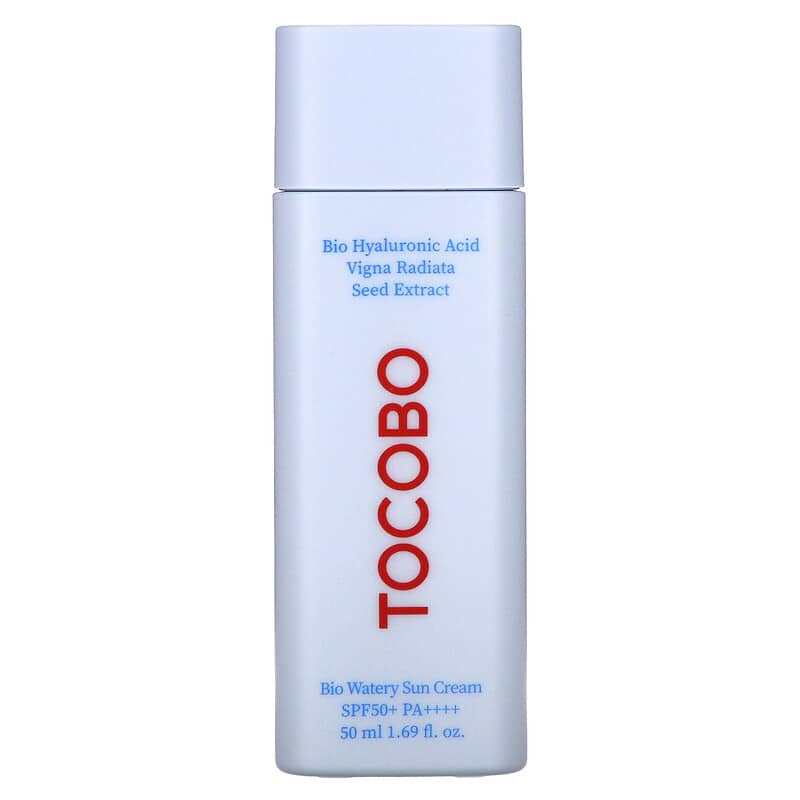
Tocobo — Bio Watery Sun Cream SPF50+$20 · KR #5 · ★4.6

Nature Republic — Soothing & Moisture Aloe Vera 92% Gel$8 · KR #20 · ★4.5
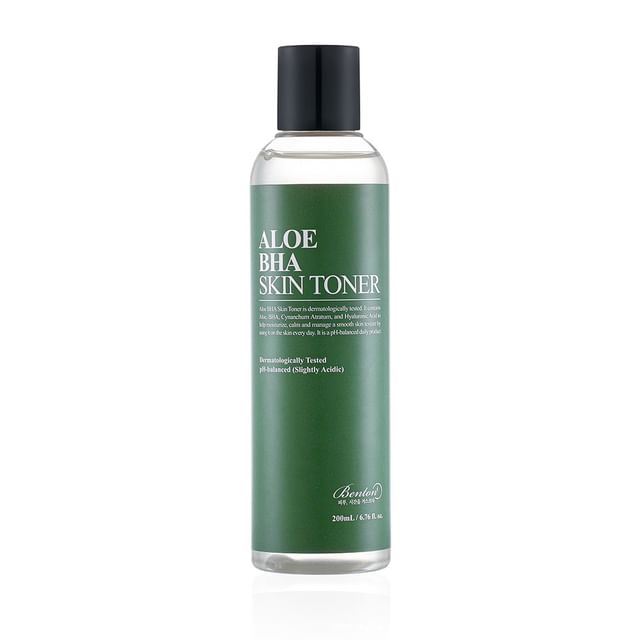
Benton — Aloe BHA Skin Toner$17 · KR #29 · ★4.4

Benton — Aloe Propolis Soothing Gel$16 · KR #47 · ★4.4
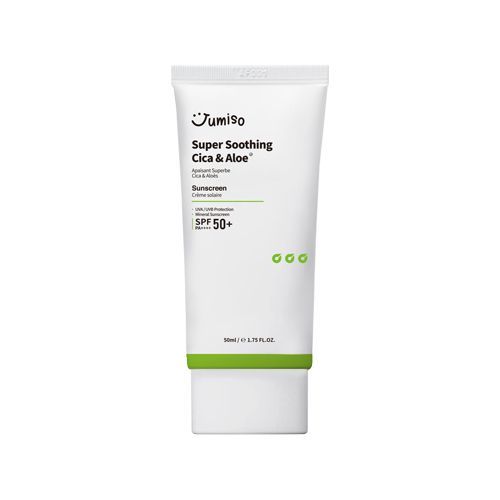
Jumiso — Super Soothing Cica & Aloe Sunscreen SPF50+$18 · KR #15 · ★4.5
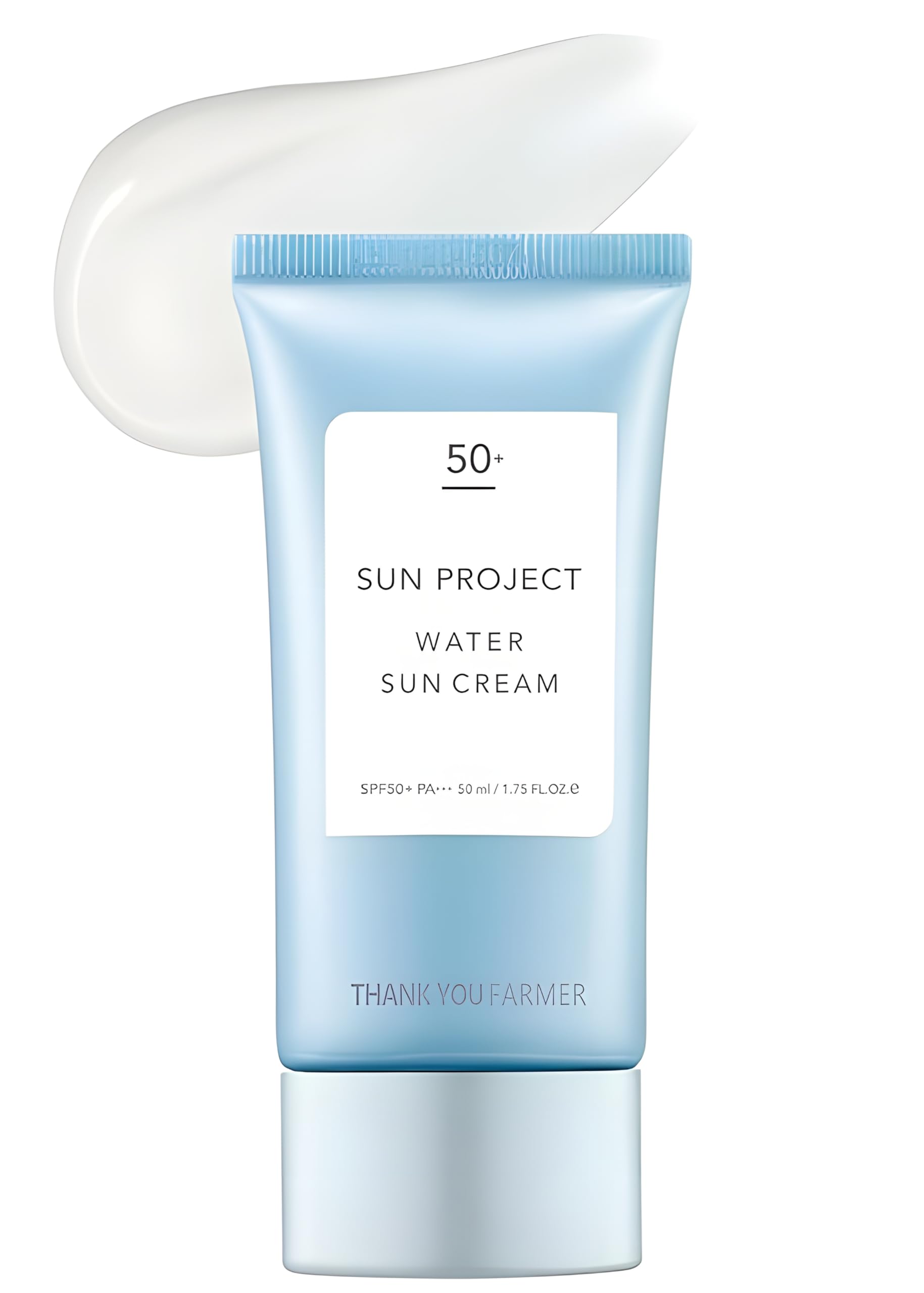
Thank You Farmer — Sun Project Water Sun Cream SPF50+$28 · KR #21 · ★4.5
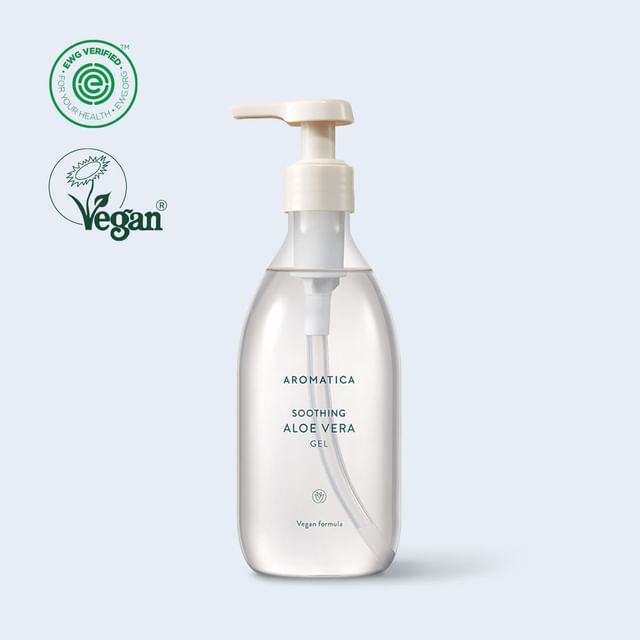
AROMATICA — Organic Aloe Vera Gel$13 · ★4.4
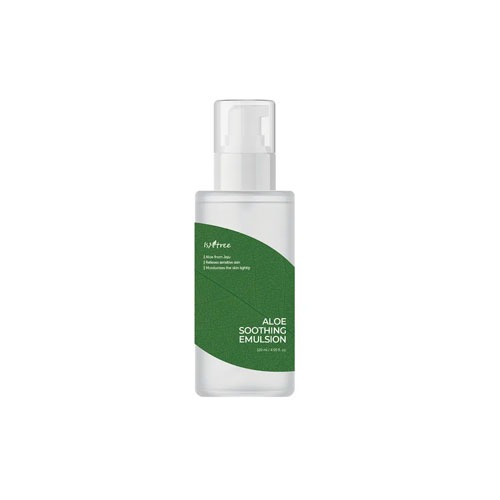
Isntree — Aloe Soothing Emulsion$18 · ★5

Benton — Aloe Hyaluron Cream$19 · ★4.4

Secret Key — Aloe Soothing Moist Toner$10 · ★4.3

Isntree — Aloe Soothing Toner$19.9 · ★4.8
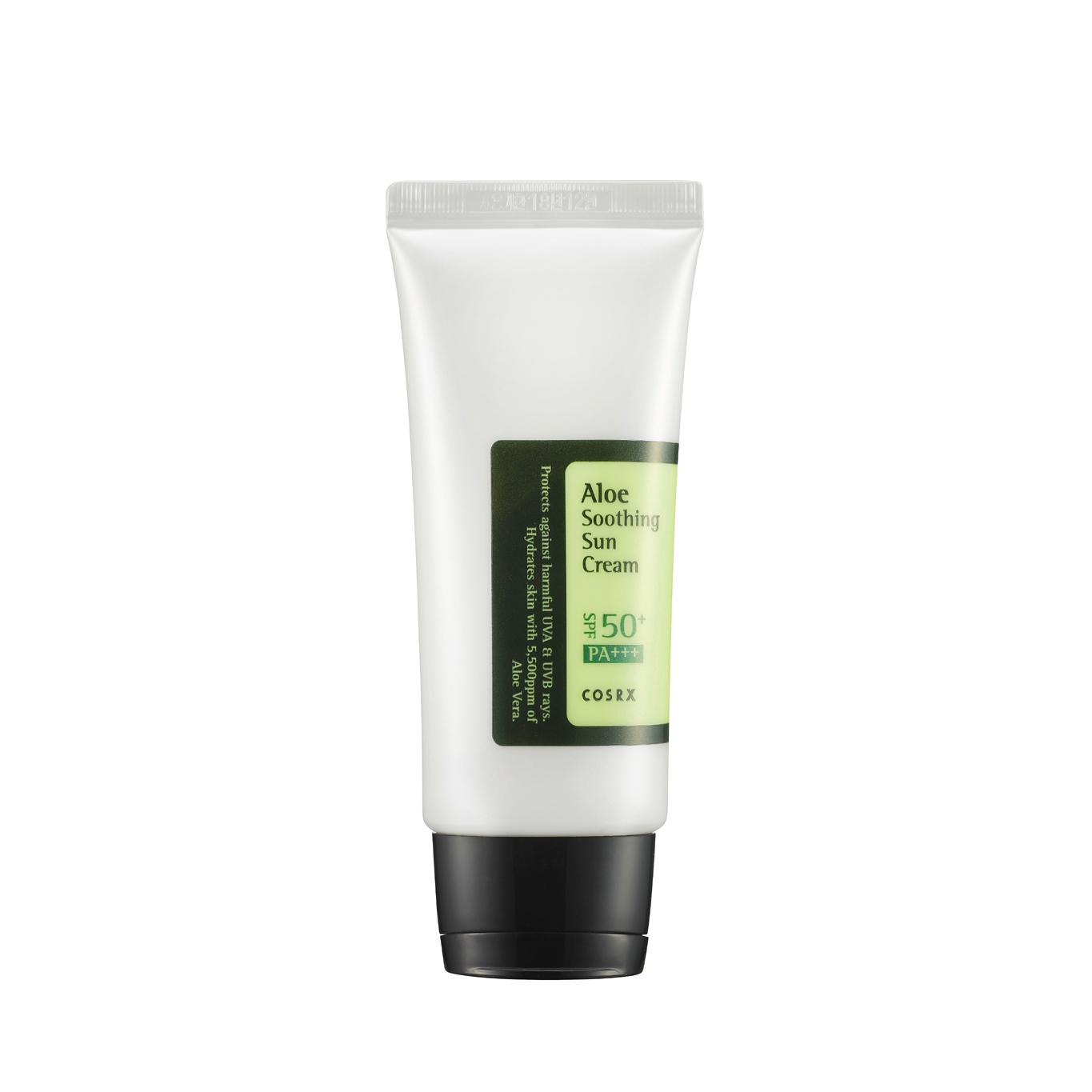
COSRX — Aloe Soothing Sun Cream SPF50+$15 · ★4.4
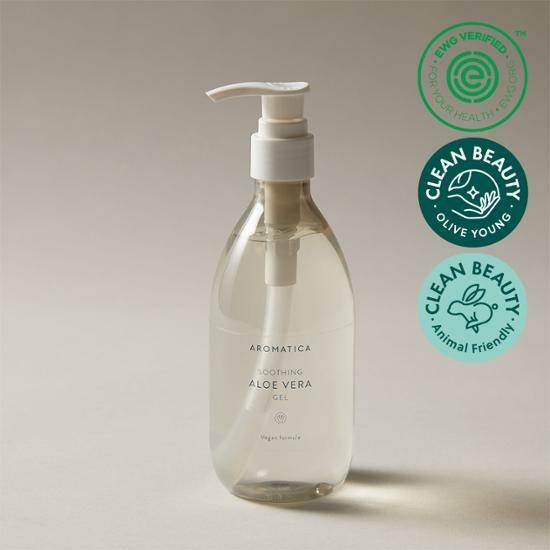
AROMATICA — Soothing Aloe Vera Gel$15 · ★4.5

Benton — Aloe Soothing Mask Pack$2.4 · ★4.4